What Would Synlait Be Worth to Fonterra or a2 Milk?
Speculation of a possible joint move by Fonterra and a2 Milk to buy Synlait raises a much bigger strategic question, says agribusiness expert Dr Nic Lees.
 increase font size
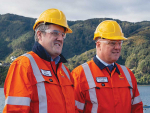
 Mark Robson, Fonterra.
Farmers supplying milk to Fonterra under contract will now have up to nine years to be fully ‘shared up’.
And they need only buy shares when the farmgate milk price is above a ‘strike price’ set by the co-op.
This new financial tool was introduced last month to make it easier for young farmers to join the co-op and become fully share-backed owners.
Fonterra’s move comes as it faces a milk supply squeeze caused by rival processors, many of whom don’t require their suppliers to own shares.
In Waikato, the country’s second-largest processor Open Country Dairy is building a new plant at Horotiu and is campaigning to sign more milk suppliers.
In Gore, Mataura Valley Dairy is building a new $240 million plant and will need more milk.
In Otorohanga, Happy Valley Dairy is seeking resource consent to build a $230m infant formula plant.
At its annual meeting last month, Fonterra chairman John Wilson said in the year ahead the co-op “will continue to defend and grow market share here in New Zealand”.
Fonterra head of Farm Source Southland/Otago, Mark Robinson, told Dairy News “it’s no secret the requirement to share up can be a hurdle for farmers at first”.
But they know being part of the co-op brings significant benefits as well, he says.
“One benefit is having a Farm Source team that’s always looking for ways to help our farmers. We often meet with young farmers and those looking to grow their operations. It’s great when we can turn ideas from a shed meeting or a chat over coffee into reality. These new tools... help farmers share up while maintaining the integrity and strength of the co-operative model.”
Fonterra farmers must own one share for every kgMS processed by the co-op; last week the co-op’s share price on NZX hovered around $6.36/share.
Fonterra’s strike price contract acknowledges milk price volatility, only requiring them to buy shares when the milk price is above the strike price. However, in the first year farmers must buy at least 20% of their share requirements.
If the milk payout moves above the strike price (set at $5.25/kgMS for 2018-19 season contracts) the farmer must use 50% of the amount above the strike price to buy more shares.
The strike price contract will last six years; farmers not fully shared up by then must buy one-third of their remaining shares in each of the following three years.
Robinson says the feedback from farmers to the new financial tools has been positive.
“I’m hearing good things on the ground... about making it easier for a farmer to join the co-op or boost their current shareholding.
“Even our older farmers who are thinking about retirement and don’t necessarily need these tools are happy to see we’re bringing them in for the next generation, giving their kids and grandkids more options if they want to get into dairy.”
Speculation of a possible joint move by Fonterra and a2 Milk to buy Synlait raises a much bigger strategic question, says agribusiness expert Dr Nic Lees.

In the past, much has been made of the concept of farm to fork, but an Australian expert in food science and marketing with experience in the dairy industry, Dr Angeline Achariya, says the reverse of this slogan is critical to win modern day consumers.
A four year trial has reaffirmed that mixing plantain into dairy pastures can help reduce nitrogen losses to freshwater while maintaining milk production and profitability, say researchers.
Fonterra has opened its upgraded Chengdu Application Centre, bringing New Zealand dairy expertise closer to customers in one of China's fastest-growing regions.
Tatua chair Stephen Allen says he leaves the co-op with a deep sense of gratitude for the people who have contributed to its success.

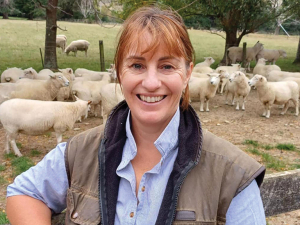
B+LNZ's Wormwise veterinarian Mary Bowron has won the Best Sheep and Beef Vet of the Year Award in recognition of her outstanding contribution to New Zealand’s sheep and beef sector.
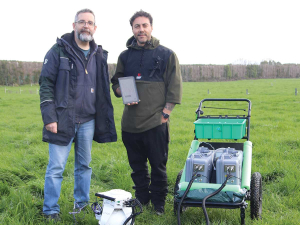
Researchers at Massey University are using a special piece of scientific equipment to improve the measurement of greenhouse gas emissions from pasture soils.
More signs of a booming kiwifruit sector.
OPINION: David Seymour and James Meager's plan to make it easier for farmers and orchardists to operate drones can best be described a 'courageous' move.
New Zealand wool is reaching new heights as air filtration companies move away from synthetic products to biodegradable alternatives.
Opuha Dam's ability to protect South Canterbury communities from major flooding has taken a significant step forward, with Opuha Water Limited (OWL) successfully commissioning a new outlet valve capable of releasing record volumes of water from the dam ahead of a weather event.