
NZ Apple Sector Pushes for Japan & Korea Market Access
The apple sector is working with the Government to unlock access to two key markets that could bring millions in revenue for apple growers.
 increase font size
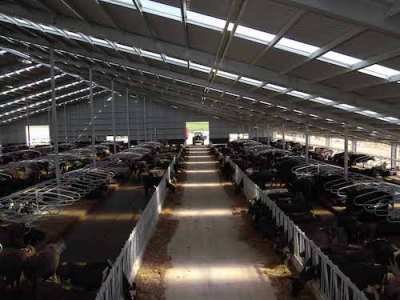 MPI says it is continuing to build the picture of where the cattle disease Mycoplasma bovis is present and contain it to those farms.
MPI says it is continuing to build the picture of where the cattle disease Mycoplasma bovis is present and contain it to those farms.
A second South Canterbury dairy farm belonging to the Van Leeuwen Dairy Group has tested positive for Mycoplasma bovis.
MPI says the detection isn't unexpected, because of the close proximity to the first infected farm.
All of the group's farms remain in lock down, to stop the disease spreading to neighbouring animals.
MOI Director of Response Geoff Gwyn says the main way the disease can spread is through direct contact between cattle, such as nose to nose.
“All the other potential factors such as on equipment, clothing and footwear, effluent and vehicles present a comparatively low risk.
“We encourage farmers to pay attention to what are routine biosecurity measures such as on-farm hygiene, caution around stock movements and fencing stock back from neighbouring fence lines.
“It is natural for people to be worried, especially those directly affected and living close by - but we don’t want people to be unnecessarily concerned.”
Gwyn says MPI is holding a further community meeting tomorrow to provide an update on the progress in the response. The meeting is at 11am at the Papakaio community hall, just north of Oamaru.
MPI is currently testing samples from the 16 Van Leeuwen farms as well as from neighbouring properties and a small number of additional farms that tracing has indicated may have received stock from the Van Leeuwen group.
These farms will receive visits and stock checks but they are not currently subject to Restricted Place Notices.
“They are being checked on a precautionary basis and at this time there is not a sufficient level of risk to require the imposition of controls,” Gwyn says.
To date 25 animals on the first affected farm have been euthanised by the farmer for welfare reasons. A further group of affected animals has been checked by a vet and is fit for transport to slaughter.
“People in the area will start to see stock movements and I understand this is something that is worrying local farmers. I’d like to reassure them that any risk from transporting cattle from the Van Leeuwen farms to processing plants has been assessed as negligible and is being managed. This movement of the stock is being permitted by MPI and vehicles will be cleaned and disinfected after use under MPI supervision.”
MPI reinforces the message that Mycoplasma bovis is poses no risk to human health or the safety of food products – meat or dairy.
“There is no reason to hold meat and milk from the affected farms back from processing.”
Gwyn says MPI is managing the situation with urgency because of the disease’s impacts on farm management, animal welfare and production. Ideally we’d like to contain it and get rid of it and that is our current focus.
The apple sector is working with the Government to unlock access to two key markets that could bring millions in revenue for apple growers.

A Palmerston North shearer has been sentenced to six months' community detention and 12 months' supervision after being found to have physically abused three lambs while shearing them.
OPINION: A simpler, clearer, more effective Recognised Seasonal Employer (RSE) scheme.
The country's second largest milk processor is warning against 'complacency' during a review of competition regulations in the dairy sector.
New Zealand apple and pear industry stakeholders are out in force for the annual conference in Queenstown.


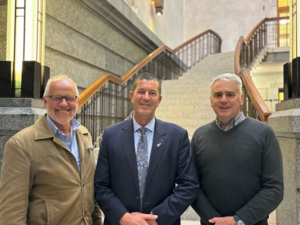
OPINION: The time has come for the Government to back the organic sector.
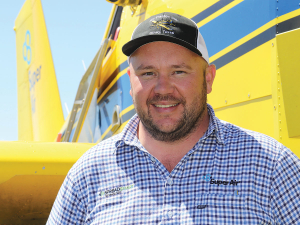
Plan ahead and be patient. That’s the message to farmers and horticulturalists from the chairman of the NZ Agricultural Aviation Association, Kent Weir.
The industry is crying out for graduates with agricultural related degrees.
While GPS and guidance have become the norm and yield mapping and variable application continues to gain traction, most agricultural machinery manufacturers continue to expand their technology offerings, amalgamating the vast amounts of data being collected to streamline real-time and ongoing management decisions.
Supply chain problems, growing protectionism and a move to greater food security are some of the key challenges facing New Zealand exporters, according to our top trade negotiator, Vangelis Vitalis.
A spat within the ranks of the New Zealand Deer Farmers Association has resulted in the suspension of outspoken North Canterbury farmer Barry Cuttance.