LIC: Faster Bull Team Change Reflects Genetic Progress
In the past, a bull could sit comfortably in a breeding team for several years with little change, but today, that’s no longer the case.
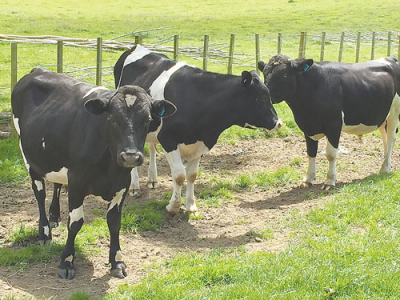
LIC has added 200 bulls to its sire proving scheme.
Most are the result of a contract mating between a top cow and one of LIC’s top bulls; all have passed inspection by LIC’s breeding team.
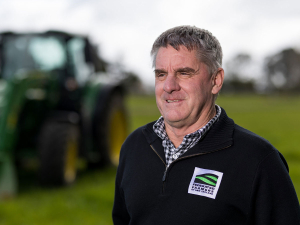
Simon Worth, livestock selection manager, says the bull calves are chosen for their potential to produce high performing, efficient dairy cows. The bull calf’s parentage, DNA profile and physical traits are all taken into account.
“We personally eyeball each calf to make sure of their physical condition.”
The bull calves will now be put through their paces, to see if they will be up to joining the Premier Sires.
Each will be named and reared to maturity, undergoing health testing, vaccinations and training. Their first semen collection will take place at one year of age, and their first daughters be born the following year.
Worth says getting a bull to Premier Sires status is a long game and only about 1% of all the calves inspected by LIC each year will make it.
“It takes four years for a bull to become daughter proven, which is when we can get the first lot of production and conformation information from their two-year-old daughters.
Calves that enter the sire proving scheme are bought by LIC.
New Zealand dairy farmers are set to be the first in the world to receive access to a new digital physical milk pricing tool that enables them to fix the price for their physical milk.
State farmer Pāmu is opening its farm gates this summer in an effort to give the rural sector the opportunity to see how large-scale, multi-system farming is delivering productivity and profitability across New Zealand.
A five-year study has found that the cost of reducing emissions without technology may be significant and unsustainable for Northland dairy farmers.
DairyNZ says Waikato farmers need certainty on Plan Change 1, but they say that certainty must be matched with practical, workable rules and a clear transition that doesn't get ahead of the new resource management system currently under review.
While the Government has moved quickly to make commercial hauliers' lot easier during the current fuel crisis, they appear to be stuck in the creep box when it comes to the agricultural industry.
Waikato farmers have been told that the Government’s new planning system legislation and the region’s Plan Change 1 (PC1) “won’t mesh together very well”.