Creating perfect silage is both a science and an art, and it all begins with the right tools, according to machinery maker Claas.
The company says determining the type of feed system and its elements - silage, hay and maize - ensures that desirable outcomes can be achieved using the correct implements and harvesting tools.
"Combining our available technologies provides additional benefits to enhance harvesting activity," it says.
Its message to farmers and contractors is to "plan ahead, harvest ahead".
It emphasises the importance of early planning and ordering to ensure equipment availability when the season begins, avoiding any disruptions.
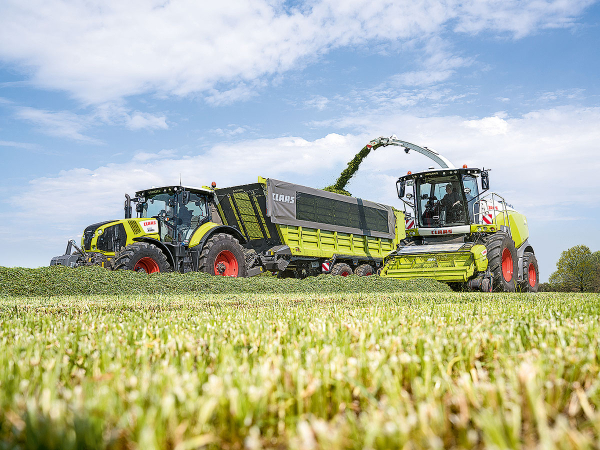
Claas claims that it has four products that provide an integrated solution for producing top-quality silage.
It points to the "precise cut" of its Claas Disco Mower, the "efficient gathering" of Claas Liner Rake, the "unparalleled performance" of Claas Jaguar Forage Harvester, to the "robust handling" Claas Torion Wheel Loader.
Read More:
"Creating perfect silage is an increasingly important way to manage on-farm costs, improve livestock performance, assist seasonal feed supply, and improve overall farm sustainability.
"A silage management system that sets out an effective routine for producing high-quality silage is an important component for any pastoral farming business."
It says good quality silage improves livestock performance, economic efficiency, and overall farm sustainability.
Farmers benefit from higher productivity and lower costs when using good quality silage, leading to better overall profitability than using average silage.
Good quality silage is preserved better, ensuring a more consistent feed supply throughout the year. Average silage may deteriorate faster, leading to feed shortages or the need for frequent replacements.
High-quality silage reduces the need for expensive supplemental feeds, as it already meets the nutritional needs of livestock. Average silage may require additional feed supplements, increasing costs.
Good quality silage retains more of the essential nutrients - such as proteins, carbohydrates, and minerals— needed for optimal livestock health and productivity. Average silage often lacks this nutritional density.
Livestock fed on good quality silage are less likely to suffer from health issues related to poor feed, such as digestive problems or diseases caused by mould and mycotoxins, which are more common in average silage.
Animals fed on good quality silage are healthier and less stressed, which contributes to their overall well-being and reduces the need for veterinary interventions.
Livestock can digest high-quality silage more easily, allowing them to absorb more nutrients. This leads to better growth rates, milk production, and overall animal performance compared to average silage.
Good quality silage is more palatable to animals, leading to higher feed intake. Average silage may be less appealing, resulting in lower consumption and poorer animal performance.
Dairy cows fed on high-quality silage produce more milk with better fat and protein content, directly impacting dairy farm profitability. Average silage often leads to lower milk production and quality.
For meat production, good quality silage promotes better weight gain and feed conversion efficiency, ensuring animals reach market weight more quickly and economically than those fed on average silage.
Good quality silage has less spoilage, meaning less feed is wasted. Average silage often results in more waste due to spoilage or lower feed intake by animals.
Quality silage undergoes proper fermentation, which lowers the pH and preserves the silage, reducing the risk of spoilage. Average silage may not ferment as effectively, leading to higher spoilage and nutrient loss.