Bill doesn’t adequately protect productive farmland – B+LNZ
The Government claims to have delivered on its election promise to protect productive farmland from emissions trading scheme (ETS) but red meat farmers aren’t happy.
 increase font size
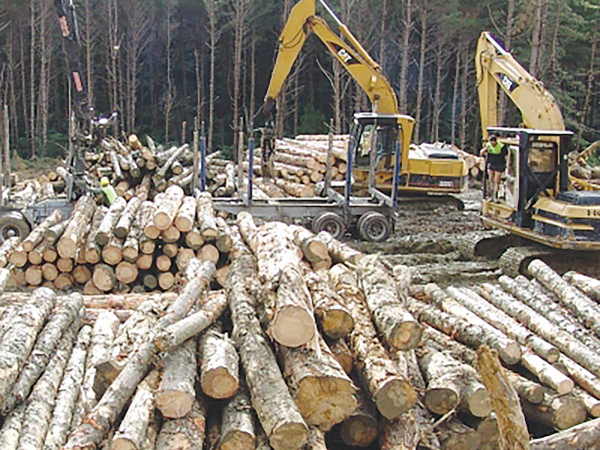 Farm to forestry conversions have become a thorny issue for the Government.
OPINION: Productive whole farmlands conversions into forestry are becoming a thorny issue for the Government.
Last week the Government was served a stern message by sheep and beef farmers - get your policy settings right or forget about reaching your ambitious target of doubling exports by 2030.
The ire of the red meat sector was triggered when the Climate Change Response (Emissions Trading Scheme - Forestry Conversion) Amendment Bill returned from the environment select committee.
Instead of listening to farmers and extending the moratorium on whole farm conversions to all land classes, the select committee extended the moratorium to land use capability (LUC) classes 1-5. However, 89% of whole farm conversions to date have occurred on LUC 6-8.
Since 2017, at least 300,000 hectares of sheep and beef farms have been sold to forestry interests, with another 50,000 hectares expectec before these rules take effect. Without fixing these gaps, we will likely lose a million hectares by 2050, slashing stock numbers by more than 20%, and rural towns across the country will be hollowed out, according to Beef + Lamb NZ.
B+LNZ chair Kate Acland says New Zealand is one of only two countries in the world - alongside Kazakhstan - that allows unlimited forestry offsets in its ETS.
"We're not against forestry - our proposals don't stop planting for harvest, they simply prevent the ETS from distorting land use decisions in ways that undermine food production and rural communities," she says.
New Federated Farmers meat and wool chair Richard Dawkins warns that if the Government don't resolve these issues, carbon farming on classes 6 and 7 will accelerate over the coming months and years.
He has a message for the Government - take farmer concerns seriously - because if they don't, this will undermine the viability of the red meat sector.
We say forestry is important to NZ, but the sector's growth shouldn't come at the expense of sheep and beef farming. Productive whole farmland going into forestry is not the way to go.
The Government claims to have delivered on its election promise to protect productive farmland from emissions trading scheme (ETS) but red meat farmers aren’t happy.
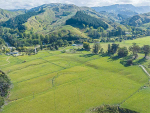
The chair of Beef + Lamb NZ, Kate Acland says the rush appears to be on to purchase farms and convert them to forestry before new rules limiting this come into effect.
The Government's latest decision to put the brakes on farms being converted to forestry to enter the emission trading scheme (ETS) has won support from many primary sector groups.
Farmers have welcomed the Government’s move designed to limit farm to forestry conversions entering the Emissions Trading Scheme (ETS).
OPINION: The number of farms being converted to forestry in the name of tackling climate change in New Zealand is causing alarm.



Āta Regenerative is bringing international expertise to New Zealand to help farmers respond to growing soil and water challenges, as environmental monitoring identifies declining ecosystem function and reduced water-holding capacity across farms.
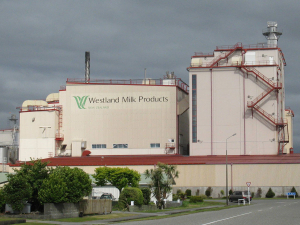
Yili's New Zealand businesses have reported record profits following a major organisational and strategic transformation.
Owners and lessees of certain Hino Trucks New Zealand diesel vehicles have just 10 days remaining to register or opt out of a proposed $10.9 million class action settlement.
Silver Fern Farms has successfully produced and delivered 90 tonnes of premium chilled New Zealand lamb and beef to the United Arab Emirates via airfreight.
For the first three months of 2026, new tractor deliveries saw an increase over the previous two months, resulting in year-to-date deliveries climbing to 649 units - around 5% ahead of the same period in 2025.
QU Dongyu, director-general of the Food and Agriculture Organization of the United Nations (FAO), has issued a warning saying that global fertiliser scarcity caused by disruptions in the Strait of Hormuz will lead to lower yields and tightening food supplies into 2027.