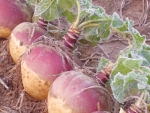
Swede cow death findings
Do not feed herbicide tolerant (HT) swedes to cows when the animals are in late pregnancy or early lactation.
 increase font size

A CROSS-SECTOR industry-led working group is coming together to co-ordinate research and advice to farmers following an issue with swedes affecting dairy cattle this season.
Across Southland, there has been a number of cases of cows becoming ill, and in some cases dying, while (or shortly after) grazing on swede crops.
A joint working group with representatives from a range of sector groups will be chaired by industry body DairyNZ and meet for the first time today. The group includes representatives from Southland veterinary practices, Federated Farmers, Beef+Lamb NZ and PGG Wrightson Seeds. It will also bring in specialist advisors on veterinary pathology and plant science.
DairyNZ has already sent an email survey to more than 2,600 Southland and South Otago farmers seeking information on whether they have been affected by the issue. It has also been advising farmers to be vigilant if their cows are feeding on swede.
VetSouth veterinarian Mark Bryan is on the new working group and says local veterinarians identified the issue with swedes in early July. "It's been a pretty dynamic situation. We have learnt a lot already as we've carried out our own work with farmers. PGG Wrightson Seeds has also been doing research on the issue.
"We will be pulling all the different strands of this together into a wider epidemiological study to look at patterns, causes and effects. We're unlikely to get any answers quickly. I think work will have to continue on this for at least another six months, until after mating.
"We have all been coming at the issue from different aspects of it. What the working group can do is get everyone around the table to join up the dots. We'll also work together to ensure farmers get consistent and helpful advice," he says.
"This new DairyNZ-led round of research testing plants and animals will also give us a good idea of what's going on right now. That will be a valuable piece of the jigsaw to add to all the earlier work that has been done."
DairyNZ's general manager of extension, Craig McBeth, says DairyNZ will also add its own scientific expertise and some project management resource to carry out the new research project including co-ordinating blood testing.
He says it is important farmers respond to four quick questions that will take less than a minute to answer.
"The working group needs to hear from any farmers who've had an issue. We need some comprehensive regional data and information and we need the help of farmers to get it. I'd urge them to fill out the quick DairyNZ survey so we can follow up at an individual level.
"We've estimated that more than 150 cows have died so far, and many more could be affected. We've never seen this scale of problem before and as already stated by PGW Seeds the main crop associated with the issue is HT (herbicide tolerant) swedes.
"We need to pool all our different areas of expertise and experience.
"Swedes in Southland are a critical part of many feed plans and have been used as a feeding crop for decades by dairy farmers in Southland/South Otago. We all know that farmers will be starting to make decisions on planting next winter's crops. All the parties involved want to understand why this has happened, and learn how we can avoid a similar event happening again," he says.
Further advice for farmers is on www.dairynz.co.nz
Do not feed herbicide tolerant (HT) swedes to cows when the animals are in late pregnancy or early lactation.
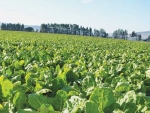
DairyNZ says the results of analysis of Southland swede plants collected last season backs up its advice to farmers that feeding maturing swede crops increases the risk of ill-health in cows.
The recent release of the national average market values (NAMV) for livestock presents an opportunity for dairy farmers to reassess the valuation method they are using for their livestock.
Liveweight breeding values for dairy cattle are to improve as a result of data analyses by NZ Animal Evaluation Ltd (NZAEL), a subsidiary of DairyNZ.
ABOUT 120 Southland farmers will be interviewed as from next week as part of the study into what caused cows to become ill or die from eating swedes.


Federated Farmers says reforms of local government announced last week will be music to farmers' ears.
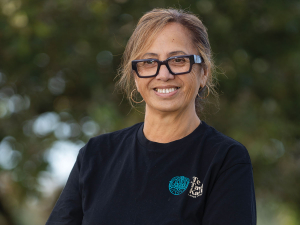
Hinehou Timutimu, the 2026 Fonterra Dairy Woman of the Year, says she feels privileged to have won the award.
Irish meat processor Dawn Meats has acquired Alexander Eyckeler GmbH, a long-standing German customer and partner of Alliance Group, for an undisclosed sum.
ACT's new immigration policy has come under fire from farmers and the Government.
A hypothesis in a major dairy research programme that bulls genetically proven to be low methane producers could pass this trait onto their lactating daughters has been proven to be incorrect.
ACT MP and Minister for Biosecurity Andrew Hoggard says he's hearing a common story about school buses, with empty seats, driving past pick-up points, while a parent follows behind in a farm ute, burning fuel and taking up time to get their children to school.