B+LNZ Forecasts Lower Prices, But Still a Strong Season
Farmgate lamb prices are down by 8%, beef cattle by 4.5% and farm expenditure up by 4.2%.
 increase font size
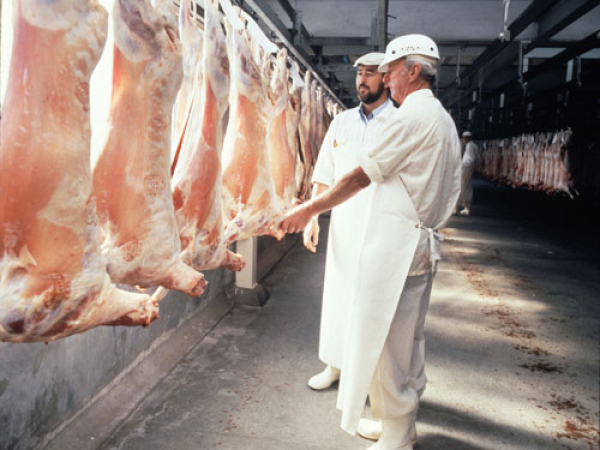
Fancy a career in the red meat processing and exporting sector? Then here’s your chance to apply for a scholarship.
The Meat Industry Association (MIA) is inviting applications for its scholarship programme from students interested in a career in the red meat processing and exporting sector.
MIA chief executive Sirma Karapeeva says the programme was aimed at students interested in employment opportunities in the industry beyond the farm gate.
“There are a vast number of career opportunities in the processing and export sector, from food design and environmental science, through to marketing, food science and technology and industrial innovation.
“The New Zealand meat industry is also New Zealand’s largest manufacturing sector, exporting over $11 billion worth of product annually. In the past three decades, the industry has transformed itself, developing new products, adopting new technologies and automating production, and selling to new overseas markets.
“To grow in the future, we need ambitious and highly skilled people. The MIA scholarships are focused on attracting well qualified young people into this rewarding and progressive sector and supporting their development into an industry that is critical to the economic prosperity of New Zealand.”
The industry is particularly interested in attracting people from lower socio-economic backgrounds or ethnic minority groups, she says.
“We want to provide opportunities for those with leadership potential, who might not normally have the means, to study at a tertiary level.”
Alongside funding, the scholarships also feature a strong mentoring programme including an annual scholars workshop, connecting scholars with industry leaders, and assistance to secure vacation or part-time work with the New Zealand meat processing industry. Many MIA scholarship alumni have secured internships and graduate roles and are enjoying rewarding careers in the sector.
Applications for undergraduate awards are invited from students currently studying for a Bachelors’ or diploma programme or those planning to begin their studies in 2025.
Applications for post-graduate awards are invited from those undertaking or planning to begin a Masters or Doctoral programme. The course of study must be at a New Zealand university or Te Pūkenga (NZ Institute of Skills and Technology) or an approved international university.
More than 25,000 people work across a wide range of jobs in meat processing throughout New Zealand and predominantly in the regions. The industry provides very competitive salaries, long-term employment and strong career pathways.
It is also one of the biggest trainers of New Zealand workers, with approximately 4,500 people undergoing NZQA accredited courses annually.
Scholarship applications must be submitted via the online portal by 27 November 2024. For further details and the application form, visit the MIA website www.mia.co.nz, or email MIA’s Partnership Manager, Kaylene Larking This email address is being protected from spambots. You need JavaScript enabled to view it..
Farmgate lamb prices are down by 8%, beef cattle by 4.5% and farm expenditure up by 4.2%.

Red meat farmers are welcoming Labour’s plan to review the Emissions Trading Scheme and not to campaign on pricing agricultural emissions.
Conversions of sheep and beef farms to forestry have slowed, however new research from Beef + Lamb New Zealand (B+LNZ) suggests land of value for food production remains at risk.
Esther Guy-Meakin has been announced as the new chief executive of the New Zealand Meat Board (NZMB).
New research suggests the ag sector can unlock a $2.9 billion increase in profitability, not by farmers and growing more, but by making their farming systems simpler.



The Royal New Zealand College of General Practitioners (the College) and Hauora Taiwhenua Rural Health Network are calling for investment in a proposed new training pathway for rural GPs, warning that many rural practices are struggling to recruit while a large share of the existing workforce nears retirement.
Federated Farmers has called on Central Otago District Council (CODC) to drop or vote down a plan to truck sludge from Alexandra and Cromwell to farmland near Lauder, warning it would compound an "outrageous" situation created by a separate council's decision weeks earlier.
Synlait has swung to second-half profit as operations stabilise, but the dairy processor still posted a $75.4m annual loss.
LIC shareholders have elected a new North Island representative to the co-operative's Board, along with five representatives to its Shareholder Reference Group (SRG), following the company's Annual Meeting held in Invercargill.
Farmers across parts of Southland and South Otago are continuing to deal with difficult conditions after a prolonged run of wet weather, with pressure building around feed supply, stock management, pasture damage, farm infrastructure and everyday workloads.
Federated Farmers says it welcomes Labour's commitment to reviewing the Sharemilking Agreements Act, calling on other major parties to do the same.