McRae Wins Southern South Island B+LNZ Director Vote
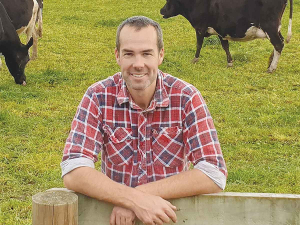
Matt McRae, a farmer from Mokoreta in Southland who runs a sheep, beef and dairy support business alongside a sheep stud, has been elected to the Beef +Lamb NZ Board as a farmer director.
 increase font size
 NZ’s sheep flock now seems to be stabilising according to latest figures.
New Zealand’s sheep flock now seems to be stabilising, says Beef+Lamb NZ chief economist Andrew Burtt.
But while it is too early in the season to give predictions on this year’s lamb crop, scanning results reported back have been pretty mixed, he says.
This follows last year’s record lambing percentage year of 127.2% - up 4.4 percentage points on the year before.
A scanning survey was carried out six or seven weeks ago and survey farms were marginally disappointed with the results, says Burtt.
But expectations may have been pushed up in light of the good autumn and winter season, he told Rural News.
“Remembering last year’s lambing season was a record because of whole lot of things came together,” he says.
“We are predicting it will be back a bit, but we won’t know until we do our own lamb crop survey in early November.
“With a record lambing season last spring it is hard to expect that will be the case again.”
Burtt says it is unclear why scanning has not been as positive as hoped.
“It could be lingering effects of facial eczema in the North Island - that Taupo, King Country area where it was a couple of years ago.”
North Canterbury is clearly recovering from drought. A lot of farmers have taken the opportunity to create a younger ewe flock by taking good prices for ewes and bringing in younger animals.
“So that is showing confidence in the industry and it opportunities. You can still get some pretty good results from ewe hogget lambing, but it’s still a small percentage compared to the total number of lambs born.”
Burtt says BLNZ thinks the overall flock numbers are now stabilising. This follows ongoing declines until last year.
“To some degree this is the picture about this steady, genetic improvement, farm management and pasture improvement and productivity improvements with improving lambing percentages. At times they pop up to record levels.
But even in general we are getting 20-plus more lambs per 100 ewes than we did 25 years ago. So we can manage with as many ewes,” he explains.
“A lot of that has been generated off hill country too with dairy expanding onto the better land.
“So the absolute number of sheep flock is expected to stabilise, but that needs to be qualified by and remembering the productivity improvements that have happened over time and consciously by farmers in response to the signals they have received.”
Last year, New Zealand farmed 27.37 million sheep. The historic high was in 1982 when there were 70 million sheep.
Matt McRae, a farmer from Mokoreta in Southland who runs a sheep, beef and dairy support business alongside a sheep stud, has been elected to the Beef +Lamb NZ Board as a farmer director.
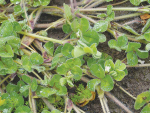
Recent widespread autumn rain will have triggered the germination of subterranean clover seeds, and the resulting seedlings should be allowed to reach the 3–4 trifoliate leaf stage before grazing, says Beef+Lamb NZ.
A hub farm in each of Beef + Lamb NZ’s seven regions and more focus groups are being rolled out for the red meat sector this year.
The red meat sector is poised for a strong rebound this season, with export receipts forecast to top $10 billion and farm profitability to almost double.
Progeny testing at Pāmu’s Kepler farm in Southland as part of Beef + Lamb New Zealand’s Informing New Zealand Beef programme is showing that the benefits of hybrid vigour could have a massive impact on the future of beef breeding.
DairyNZ deputy chair Cameron Henderson has been re-appointed unopposed for another term.
Farms across the upper North Island are trialling different pasture mixes as part of a research programme that aims to build greater resilience into farming systems.
Election years are always a concerning time for farmers, according to DairyNZ chair Tracy Brown.
The Ballance Farm Environment Awards are coming to the West Coast of the South Island.
Most dairy regions around the country have had a pretty good season so far says Tracy Brown.