Federated Farmers Praises Labour's Emissions Tax Backdown
For the first time in a quarter of a century, Federated Farmers has something positive to say about the Labour Party’s climate change policy leading into a general election.
 increase font size
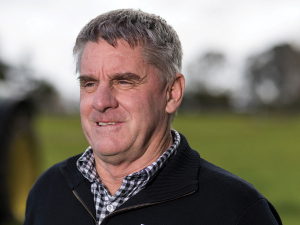
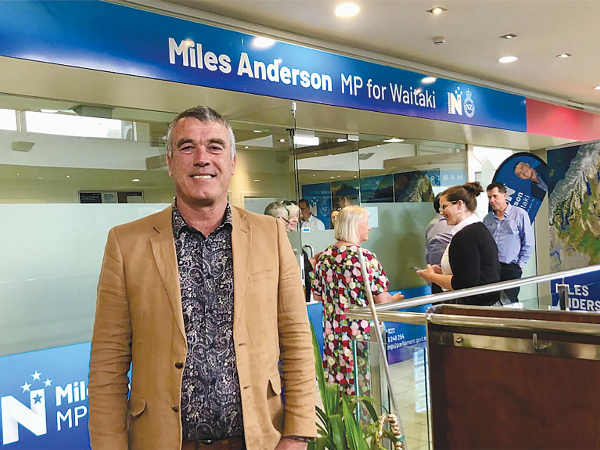 Waitaki MP Miles Anderson says the farming community has been working hard to reduce its enviro footprint over the last 20 years.
A new nationwide survey shows New Zealanders expect farmers and food producers to play a leading role in cutting greenhouse gas emissions, but also gave them higher marks than most industries for their current efforts.
The survey was conducted by Primary Purpose in early July, interviewing 1077 New Zealanders. Results found that 70% of New Zealanders say it is important that farmers and food producers reduce their emissions, with support stronger among urban audiences.
Nearly half (48%) believe farmers are doing well in managing emissions, while only 12% think they are performing poorly.
Waitaki MP and former sheep farmer Miles Anderson said that the public results were pleasing, but not a surprise to him.
"The farming community has been working hard to reduce its enviro footprint over the last 20 years," Anderson told Rural News.
"In a sense, farmers are environmentalists; they look after the environment in order to be able to grow or show anything and it will make their job so much harder otherwise. I think the survey reflects the fact that people understand that."
31% of those surveyed believe farmers are doing more to manage emissions than other industries, compared to just 8% who believe they are doing less.
The public also places equal responsibility for emissions reduction on farmers/growers, government, and the food industry (all at 79%), ahead of consumers (64%).
Anderson said that as Kiwi consumers have many bills to pay besides groceries, many are very price conscious.
"It's been particularly tough over the last few years to make ends meet [and] the consumers who can are doing what they can. I'm not going to pass judgements on the end consumer and the position they make about how they spend their money."
Nevertheleass, he emphatically stressed the importance of New Zealand farming in maintaining low emissions via superior produce.
"We are not going to chuck out farming here, only to allow the same products to be produced offshore where they have a larger carbon footprint.
"I think the public understands that New Zealand already has one of, if not the lowest carbon footprints per kilo of product produced on farms in the world. People recognise that if we were to move production offshore where they have a larger carbon footprint, the environment would be worse."
Primary Purpose partner Marc Elliott says the results presents an opportunity for the primary sector to build on.
"The public clearly sees farmers as central to New Zealand's emissions challenge, but they also acknowledge the efforts underway.
"This is a significant opportunity for the primary sector to continue leading while building public trust.
"The findings suggest New Zealanders want a collaborative approach, with farmers, government, and the wider industry working together to meet climate goals."
For the first time in a quarter of a century, Federated Farmers has something positive to say about the Labour Party’s climate change policy leading into a general election.
Climate, nature and animal wellbeing make up Fonterra's refreshed sustainability roadmap released last week.
A five-year study has found that the cost of reducing emissions without technology may be significant and unsustainable for Northland dairy farmers.
OPINION: With the winter months officially here, I trust all is well at your place.
OPINION: The global crusade against fossil fuel is gaining momentum in some regions.


Federated Farmers has welcomed new rural policies released by ACT, saying they align closely with its own election priorities.
Rural Contractors NZ says proposed changes to land transport rules for agricultural vehicles are a welcome response by the Government to out of date regulations which have seen members hit with huge fines.
Alliance is calling for final applications for its 2027 Graduate Programme, with applications closing on Sunday 25 October.
Decades piloting planes has ensured vet and farmer David Hayes is focused on safety. So, after a serious accident while welding on farm, he is sharing his experience so others can learn from it.
Canterbury milk processor, Synlait Milk has confirmed Leon Fung as its chief executive officer.
OPINION: Making it easier to collect rainwater and use it to grow crops and livestock is a no brainer.