Poor infrastructure has the potential to bring the country to its economic knees.
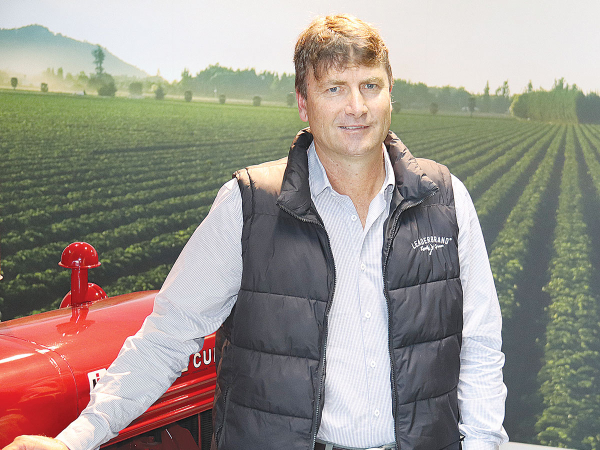
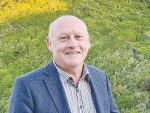
That's the warning from Richard Burke, chief executive of Leaderbrand - a major fresh vegetable grower based in Gisborne but with sites in Pukekohe, Matamata and Canterbury. He says infrastructure is a massive issue in this country, and if New Zealand is going to be more efficient, it needs to find the capital to invest in this area.
"We have been having some poor weather, and there is a lot of commitment to fixing some stuff," Burke told Rural News.
"But take the problems with the Cook Strait ferries. That's been a real issue for us in terms of managing logistics and servicing our customers and it is certainly raising a lot of concern from our customeers about our reliability because we can't get product across Cook Strait in a reliable manner."
Burke says Gisborne has real problems with access to other centres - highlighted by road link to Hawke's Bay being cut off by Cyclone Gabrielle. He says there is a lot of work needed and it's not just about restoring the present road. He believes there is a need for a much bolder approach to make sure that critical food supply areas have secure all-weather access.
Burke is going to keep advocating for change and more investment to ensure companies like his can get fresh product to market year round and on time. He has taken this issue up with government, but admits they are in something of a bind with multiple requests from everywhere to spend money.
Burke says Leaderbrand is investing in dealing with climate change by looking at regen agriculture, which he hopes will help in the long term. They are also investing in covering some of their land. But Burke says all of this will be for naught if they can't get product to market.
"As a region we are not sitting here and saying 'you have to do infrastructure for us because we are poor guys on the East Coast'," Burke adds.
"We are saying we are a critical part of the food supply in NZ, especially in salads, fresh, citurs, and some of those other things," he says. "So, we need that all-weather access otherwise that food supply is going to be challenged."