LIC Chief Says BVD Eradication in NZ Is Within Reach
A dairy industry leader believes eradicating the common and costly disease, Bovine Viral Diarrhoea (BVD) is within reach.
 increase font size
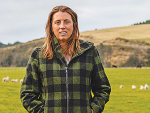
 LIC chairman Murray King.
Farmer co-op LIC will pay $18 million in dividends to shareholders after a strong full-year result.
The 12.75c/share dividend represents a gross dividend yield of 22.7% based on the current share price of 78 cents. Last year, the co-operative paid a dividend of 11c.
The breeding and automation company recorded a net profit of $17.5m, down 21% over last year’s $22.2m net profit, mainly due to a $7.2m decrease in the bull team valuation. However, total revenue was up 3% to $254m and underlying earnings up 16% to $22.7m.
LIC chairman Murray King says the strong result was in line with market guidance and achieved despite the impacts of drought and Covid-19.
“The strong result enables LIC to deliver a significant dividend to shareholders at a time when every dollar counts on-farm,” says King.
LIC reported that despite a challenging season, farmers continue to move up the value chain, investing in the latest genomics and other genetics products, driving revenue up.
“The increasing uptake of these products demonstrates the value on-farm of LIC’s ongoing investment to enhance our core genetics business through world-leading genomics to drive genetic gain in dairy herds and high-valued premium genetics products like A2 and sexed semen,” says King.
A dairy industry leader believes eradicating the common and costly disease, Bovine Viral Diarrhoea (BVD) is within reach.

LIC shareholders have elected a new North Island representative to the co-operative's Board, along with five representatives to its Shareholder Reference Group (SRG), following the company's Annual Meeting held in Invercargill.
Farmers can spend less time on paperwork, thanks to a new data sharing agreement between DairyNZ’s DairyBase and LIC’s MINDA software.
An LIC bull, Tronnoco AR Sadio-ET S3F, bred by Tony and Keri O'Connor of Tronnoco Farming Co Ltd near Timaru, has won the 2026 Mahoe Trophy.
Bovine Viral Diarrhoea (BVD) is estimated to cost New Zealand's dairy and beef industries more than $150 million every year, yet many of the tools needed to control it are already well understood. After more than 25 years in veterinary practice, Andrew Weir, animal health technical specialist at LIC, has seen firsthand the impact BVD can have on herd performance. We asked him about the role of persistently infected (PI) animals and the practical steps farmers can take to reduce their risk.

Halter has launched Mav, an AI farming assistant that lets dairy farmers ask questions about their herd and pasture and get answers drawn from the data the company’s collars already collect.

OPINION: At first glance it appears that Father Christmas has delivered the rural sector good tidings, with most pundits predicting the return of the centre-right coalition.
For 15 years, Glenda Rees has travelled from Gore to Awarua, often several times a week, to keep watch over one of the country’s rarest birds.
With some farmers opposing a government-industry partnership set up to develop methane reducing products, one NZ company claims that it already has a product on the market.
During the nesting season, from September to December, industrious starlings can quickly build nests in the darker areas behind tractor and vehicle, usually close to hot engines, typically resulting in localised damage or in some cases complete write-offs.
The meat processing industry is much more collegial than it was in the past and is now more focused on common goals.