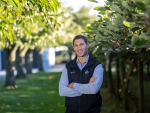
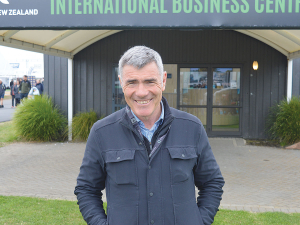
Situation and Outlook for Primary Industries author Jarred Mair got a big surprise while preparing the report.
"That was the uptake in the kiwifruit sector. Gold we always knew was going to be big so that's a production issue, but the green result this year was astonishing," he told Rural News.
"We got another 15 million trays out of green and the indications are that this will continue into next season as well – a huge increase in production."
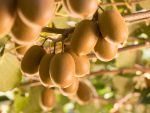
The report also notes that the yield per hectare (11,000 trays) was 30% higher than normal. But while green has had a good year the sleeping giant is Kiwi Gold. Its remarkable recovery from PSa will see around 50m trays harvested in 2018 compared with only 12m trays in 2014.
The demand for Gold is expected to increase as it proves attractive to health-conscious consumers in high-value markets.
"Kiwifruit is a great story from both a national and regional perspective. You look at the Bay of Plenty region in particular as a hub of growth for kiwifruit and Plant and Food Research has done a lot to benefit the sector," Mair adds.
"The plant breeding programme and the $20m a year Zespri has invested in that has created real benefits, including the ability to deal with PSa. There are new cultivars, potentially a new green under commercial trials for next year and a second generation red is being tested which is fantastic."
Mair says one thing working well for NZ, especially in China, is the link between our food products and our overall NZ brand. He says in the case of China there is a 73% association between our food products and our clean, green image. This is positive news for our tourism sector.
Mair says that 73% in NZ's case compares more than favourably with Australia, which has only a 10% association between its food products and overall brand.
Innovate or stagnate
Jarred Mair believes with all the changes taking place in our markets it is critically important for the primary sector to continue to embrace innovation.
He says it's something NZ has always been good at.
"When there has been improving technology farmers have taken it. There is an opportunity to do more and to think about where we innovate in the value chain – a great opportunity for us."
Mair says the farming and agritech sectors tend to feed off each other in respect of growth. Where one succeeds the other flourishes.
And he has an interesting perspective on the effects of this innovation: MPI studies show that while the primary sector will need more people, it is likely there will be fewer jobs on farm and more in the sectors that service farms.