El Niño Warning: NZ Farmers Urged to Plan Fert Early
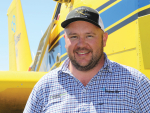
Plan ahead and be patient. That’s the message to farmers and horticulturalists from the chairman of the NZ Agricultural Aviation Association, Kent Weir.
 increase font size
 Fertiliser application is still continuing, says Alan Beck.
Fertiliser application is slightly ahead of last season says a Taranaki helicopter company chief.
Alan Beck, of Beck Helicopters, Eltham, says farmers – sheep and beef and dairy – so far are not cutting their fertiliser spread this season. Their emphasis is on growing grass.
“Many of the farmers we work for are well-established and known to us for 20-plus years,” he told Rural News. “Their biggest concern is the need to grow grass. Many say there won’t be a new race, shed or car this year, but they have to grow grass and fertiliser is the cheapest way.”
For Beck’s company it is business as usual. Farmers are mainly applying DAP and high analysis fertiliser; while the fertiliser companies are predicting a downturn, Beck hasn’t seen it.
Beck’s firm has clients in Taranaki, Waikato and Bay of Plenty. He takes a positive view of the dairy industry, saying the final payout will not be as bad as some people suggest.
Despite inclement weather farmers have been at him to get the fertiliser on. Sheep and beef farmers are putting fertiliser on the hills and the word from colleagues in Gisborne, Hawkes Bay and Whanganui is that they are equally busy.
“It surprises me a little, but I suspect a lot was learned from the last downturn when farmers stopped putting on fert and it took them four or five years to recover,” Beck says. “We’re going to see the same scenario on the hills and on dairy farms where there won’t be any capital expenditure, but fertiliser will be a priority.”
Plan ahead and be patient. That’s the message to farmers and horticulturalists from the chairman of the NZ Agricultural Aviation Association, Kent Weir.
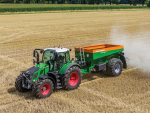
Amazone's ZG-TX combi spreader has been updated with several new features, centred around improved accuracy and easier operation.
When it comes to annual rebates, it's been a long time between drinks for Ravensdown shareholders.
Ravensdown has reported a net profit before tax and rebate of $50.1 million for the year ended 31 May 2026.
A new digital assistant is now helping Ballance Agri-Nutrients farmers speed up nutrient information and ordering.


LIC shareholders have elected a new North Island representative to the co-operative's Board, along with five representatives to its Shareholder Reference Group (SRG), following the company's Annual Meeting held in Invercargill.
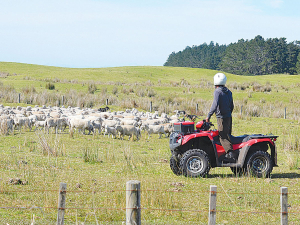
Farmers across parts of Southland and South Otago are continuing to deal with difficult conditions after a prolonged run of wet weather, with pressure building around feed supply, stock management, pasture damage, farm infrastructure and everyday workloads.
Federated Farmers says it welcomes Labour's commitment to reviewing the Sharemilking Agreements Act, calling on other major parties to do the same.
For Canterbury dairy farmers Sian Meijer and Rick Wobben, wearable technology has become one of their most valuable on-farm tools - helping manage 1850 cows across an expansive, high-performing dairy operation while improving efficiency, mating outcomes and day-to-day decision making.
Fonterra has unveiled its annual results for the 2026 financial year, posting $27 billion in revenue and close to $20 billion returned to New Zealand farmer owners and unit holders.
The first major update to the Dairy Cattle Code of Welfare in more than a decade has been released, marking what DairyNZ describes as an important step in ensuring animal welfare standards continue to evolve alongside scientific evidence and on-farm realities.