
Zero Tariff Squeezes NZ Citrus Growers, Forum Hears
New Zealand's citrus growers have been told to compete on the value built into their fruit rather than the volume they grow.
 increase font size
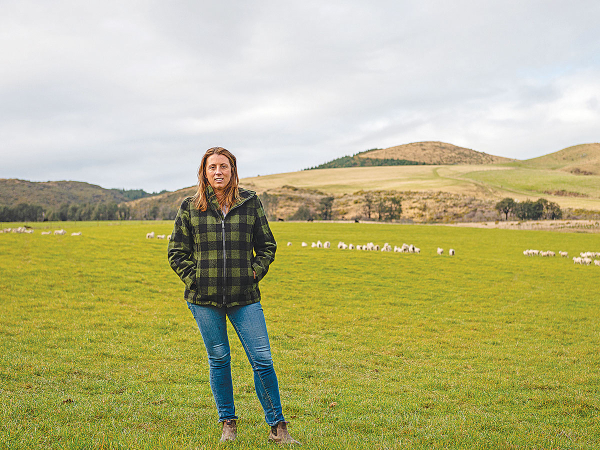 Kate Acland, B+LNZ chair.
Farmers are unhappy with the Government's replacement legislation for the Resource Management Act (RMA).
They claim that the wording in the new legislation doesn't match what the politicians promised.
The parliamentary Environment Select Committee began hearing from submitters on the two replacement bills last month.
Beef + Lamb NZ chair Kate Acland says while in principle they support the reforms, the way the legislation is currently written is missing the mark and farmers could be worse off.
She says the language is more stringent around setting and managing limits and would likely see the need for more consents, not less.
Acland says there are more onerous requirements on permitted activities.
"There are significant issues with the role of, and amount of detail required for, Freshwater Farm Plans, and farmers would also need a consent or permit as well as a Freshwater Farm Plan in many cases," she says.
Acland says B+LNZ doesn't support the introduction of market-based allocation or levies for resource use and are concerned that the same farming activity will now fall between two acts and make the process for farmers complicated and costly.
"We're also calling for other things to be fixed as part of the RMA reform, such as the current issues with the approach to stock drinking water," she says.
HortNZ chief executive Kate Scott says the current legislation doesn't match the Government's promise to create a system that is simpler, faster and easier.
She says unless there are changes to the new legislation, it could be harder, not easier for growers to produce fruit and vegetables.
"Horticulture is a sector NZ depends on every day - for food and tables, for employment and for economic growth. The new system has to enable that, not make it harder," she says.
 |
|---|
|
HortNZ chief executive Kate Scott. |
Scott says HortNZ has significant concerns about proposals in the Natural Environment Bill that could introduce what amounts to a tax or auction system for natural resources such as water.
She says the bill includes options for market-based allocation or levies, which in practice could mean auctions or tenders where water or the ability to dischard nutrients goes to the highest bidder.
"A levy would effectively be a tax on water or on farming activity. That is not the right approach for food production," she says.
Regarding the Planning Bill, Scott says HortNZ wants stronger protection against reverse sensitivity, which occurs when new housing or urban development moves into rural areas and complaints are made about long-established farming activities. These include frost protection, spraying, or harvest activity.
"In all of this there's a risk of increasing costs and compliance for activities that are already permitted," she says.
Feds Unhappy
Federated Farmers say they also have serious concerns about the wording of the legislation.
Vice president Colin Hurst says they don't think the currently drafted legislation will deliver what farmers were expecting or what they were told by the politicians.
 |
|---|
|
Federated Farmers vice president Colin Hurst. |
He says farm plans must replace regulation and not add to it and must be proportionate, practical and scaled to risk.
"Farm plans should be a positive, practical and enabling tool that helps farmers improve environmental outcomes in a way that makes sense on their own farms.
"We don't want to see farm plans adding unnecessary complexity, duplication, or another layer of expensive regulation for farmers to grapple with," he says.
Hurst says farm plans must replace regulation, not add to it.
New Zealand's citrus growers have been told to compete on the value built into their fruit rather than the volume they grow.

Ravensdown shareholders have elected Jane Montgomery and Kate Acland to the Ravensdown Board for three-year terms, following a closely contested director election.
Beef + Lamb New Zealand (B+LNZ) says it welcomes the passage of the Natural Environment Bill and Planning Bill, calling the bills a positive step for sheep and beef farmers.
Farmgate lamb prices are down by 8%, beef cattle by 4.5% and farm expenditure up by 4.2%.
Red meat farmers are welcoming Labour’s plan to review the Emissions Trading Scheme and not to campaign on pricing agricultural emissions.


Farmer-owned fertiliser company, Ballance Agri Nutrients is welcoming National’s plan to negotiate security agreements with key supplier countries to protect New Zealand-bound products from export restrictions and greater supply chain certainty.

Carrfields has announced the appointment of Stu Hall to the newly created role of chief operating officer, Carrfields Ltd, reflecting the continued growth of their agribusinesses and the need to ensure the company has the leadership capacity and support in place as it pursues the emerging opportunities ahead.
New Zealand's role is not to compete with Indian growers, according to NZ Apples and Pears.
The potato industry is celebrating the success of two rising stars - James Blair, the 2026 Young Grower of the Year and runner-up and innovation award winner, Amber Davy.
Twenty-eight emerging leaders from across the horticulture sector spent two days last month learning valuable skills and connecting with industry experts.
There are five entrants in this year’s Young Horticulturist of the Year, competing in a series of technical, practical, business and leadership challenges.