40,000 meals donated as NZFN marks fifth anniversary
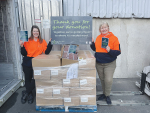
The New Zealand Food Network's (NZFN) fifth birthday celebrations have been boosted by a whopping five tonne meat donation from meat processor ANZCO.
 increase font size
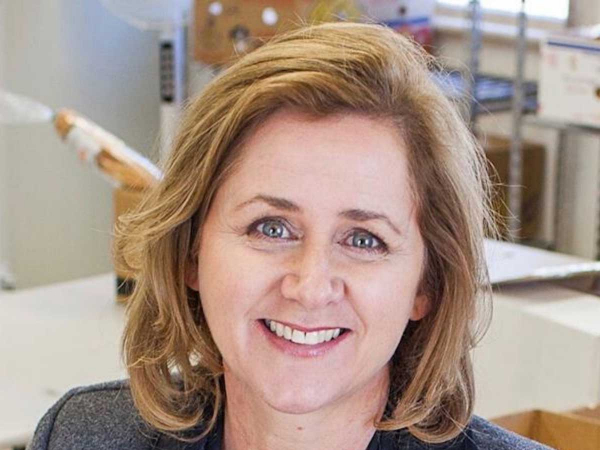 New Zealand Food Network founder Deb Manning.
The New Zealand Food Network (NZFN) is encouraging food service organisations to donate any bulk surplus food so they can be redistributed to food hubs and vulnerable communities.
With Auckland’s recent shift to Alert Level 3, NZFN says many businesses throughout the region will face massive disruptions to their operations, potentially leaving them with a surplus of food which is set to go to waste.
NZFN founder, Deborah Manning, says previous experience indicates the food service and hospitality industries will be hardest hit by the change in alert levels.
“It’s never easy having to turn customers away, or experience that loss in revenue – but what can make that even worse is seeing the food supplies you’ve ordered spoil and go to waste.
“Rather than letting good food end up in landfill, if you’re a food business and you’re able to do so, please get in touch so we can help to save this food and instead divert it back to communities in need,” Manning says.
She adds that supermarkets are a major source of donated surplus food, so when Kiwis stockpile at the time of lockdown announcements, it can cause serious shortages.
“If this lockdown extends beyond its initial period, we expect another huge surge in demand for food – Kiwi communities need help.”
Manning says that while some food producers and providers may already have a preferred local food charity partner, it may be the case that these organisations are unable to handle large-scale donations.
“Unfortunately, many community groups lack the infrastructure to accept bulk donations,” she says.
“Whether you’re a grower, food manufacturer, or a restaurant, any bulk surplus or donated food will go a long way towards easing this growing pressure and supporting those who need it first.
“We’re a team of five million and during these challenging times, we all have a collective responsibility to look after each other and ensure everyone has access to good, nutritious food.”
Established in 2020, the NZFN acts as a centralised distribution hub and single point of contact for bulk surplus or donated food, providing a comprehensive and streamlined solution to connect supply and demand.
The New Zealand Food Network's (NZFN) fifth birthday celebrations have been boosted by a whopping five tonne meat donation from meat processor ANZCO.

New findings from not-for-profit food supply and distribution organization, the New Zealand Food Network (NZFN) have revealed a 42% increase in demand for food support in 2023 compared to 2022.
KiwiHarvest founder Deborah Manning says the food rescue charity is experiencing a significant challenge due to a lack of funding to support what she calls an essential service.
Sanitarium has announced it will increase its donations of Weet-Bix to New Zealand Food Network (NZFN) by 50%.
Fonterra has donated 76 pallets of cheese, yoghurt, and milk, equivalent to almost a million dairy servings for Auckland flood victims.


National’s pledge to introduce 19 new national standards shows the party is serious about getting Wellington out of farming, Federated Farmers says.
The National Party’s policies to make it easier to grow fresh vegetables, secure reliable water and energy and simplify farm planning are practical changes that will give growers the confidence to invest, according to Horticulture New Zealand (HortNZ).
Fonterra Co-operative Group chief financial officer Andrew Murray has resigned to take up a role outside the dairy giant.
A major move is about to get underway to improve the quality and viability of dairy beef and cattle in NZ.
Veterinarians say changes to the code of welfare for dairy cattle provides a positive foundation for improved cattle welfare across the country.
Today, 15 October, is the International Day of Rural Women, which recognises rural women’s contribution to farming, communities and the environment.