BVD Control Begins Long Before You See A Problem
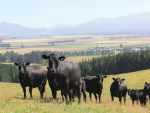
Bovine Viral Diarrhoea (BVD) is sometimes viewed as a dairy industry issue, but the reality is that the disease can have serious consequences for beef breeding herds as well.
 increase font size
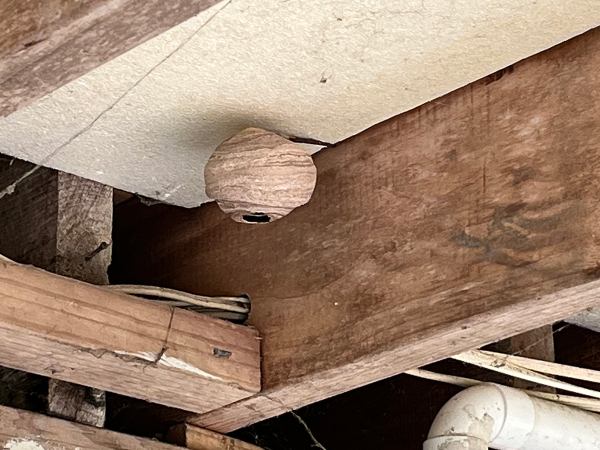 A new hornets nest.
Biosecurity New Zealand is intensifying its campaign to locate and eliminate the invasive yellow-legged hornet, following confirmed detections on Auckland's North Shore.
To date, 10 queen hornets, two workers and seven nests have been located and removed from the Glenfield and Birkdale areas.
“We’re laser-focused on our work to eradicate this hornet, guided by international best practice and expert advice,” says Mike Inglis, Biosecurity New Zealand Commissioner North.
A Technical Advisory Group (TAG), comprising independent scientific experts from countries that have successfully managed hornet incursions, is supporting the response. Their recommendations are shaping Biosecurity New Zealand’s strategy.
Key additional actions getting under way include:
Inglis says the success of this response is heavily reliant on the ongoing support of the public and key stakeholders.
“We are working closely and engaging regularly with the bee industry, horticulture and arable sector partners, regional councils and DOC on our response efforts.
“We have had a fantastic response from the public and more than 2900 notifications to date. That’s the best surveillance we can ask for to supplement the efforts of all our staff involved in this response,” says Inglis.
"While these hornets have not been found anywhere else in New Zealand outside of the Glenfield and Birkdale areas to date, we need the public keep being our eyes and reporting suspected finds of hornets or nests.”
Members of the public are urged to report suspected hornets or nests — but only if they have a specimen, a clear photo, or have located a possible nest.
Bovine Viral Diarrhoea (BVD) is sometimes viewed as a dairy industry issue, but the reality is that the disease can have serious consequences for beef breeding herds as well.

Election years are always a concerning time for farmers, according to DairyNZ chair Tracy Brown.
Testing confirms H5 bird flu in a single northern giant petrel, found dead on a remote Cape Palliser beach in the Wairarapa, says Dr Mary van Andel, the Ministry for Primary Industries' (MPI) Chief Veterinary Officer.
Bovine Viral Diarrhoea (BVD) is sometimes viewed as a dairy industry issue, but the reality is that the disease can have serious consequences for beef breeding herds as well.
Four years since it was first detected in New Zealand, researchers and growers now know much more about management of maize pest fall armyworm (FAW).


Federated Farmers has welcomed new rural policies released by ACT, saying they align closely with its own election priorities.

Rural Contractors NZ says proposed changes to land transport rules for agricultural vehicles are a welcome response by the Government to out of date regulations which have seen members hit with huge fines.
Alliance is calling for final applications for its 2027 Graduate Programme, with applications closing on Sunday 25 October.
Decades piloting planes has ensured vet and farmer David Hayes is focused on safety. So, after a serious accident while welding on farm, he is sharing his experience so others can learn from it.
Canterbury milk processor, Synlait Milk has confirmed Leon Fung as its chief executive officer.
OPINION: Making it easier to collect rainwater and use it to grow crops and livestock is a no brainer.