UK Politician Alistair Carmichael Praises "Positive Spirit" of NZ Farmers
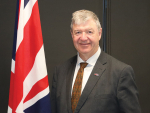
A leading British farming politician says he's impressed with the positive attitude of New Zealand farmers that he met during his recent trip here.
 increase font size
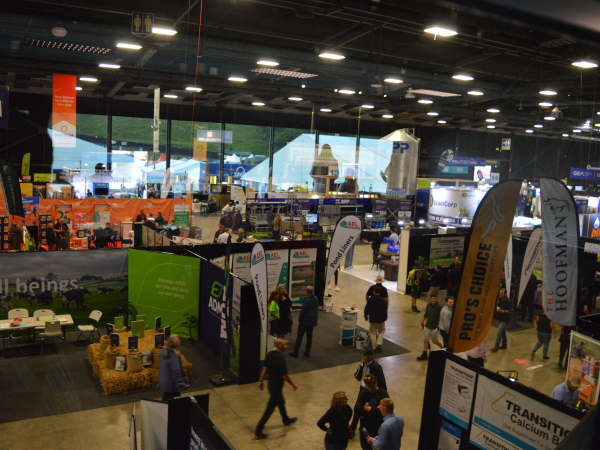 Close to 17,000 people attended the opening day of the 2022 National Fieldays yesterday.
A wet start to the 2022 National Fieldays saw a smaller crowd, compared to previous events pass through the gates on the opening day.
A statement from National Fieldays says nearly 17000 people attended day one of the four-day event.
“We’ve had just under 17,000 visitors through the gate, which is a bit softer than previous years, but not unexpected due to the weather across the North Island,” says Fieldays chief executive Peter Nation.
With the weather set to improve for the remainder of the event, organisers are looking forward to three more days of agricultural trade, entertainment and innovations.
“From here on in, we should expect strong numbers from around the regions, reflecting our importance as a nationally and globally significant event,” says Nation.
He adds that early reports from some exhibiting customers are that the calibre and level of enquires has been strong from serious customers and outstripped previous opening days.
“We all know we’ve had a few head winds; changes keep coming and we are all grappling with the new normal.
“Fieldays has not been unaffected to the effects of Covid 19 either”, says Nation.
The decision to move from June to November was not made lightly.
“The rural sector is really facing a lot of challenges at the moment,” he says.
“We have navigated not only the seasonal nature of the primary industries in New Zealand but also navigating other major events.”
The event was officially opened with a pōwhiri and the rising of flags, followed by a ribbon-cutting ceremony led by the society’s president, James Allen, Minister for Trade and Export Growth Damien O’Connor, and cut by Tumuaki o te Kiingitanga Hone Thompson.
Addressing some of the key challenges was Prime Minister Jacinda Ardern. She joined the primary leaders luncheon, with O’Connor, launching the Centre for Climate Action on Agricultural Emissions.
Part of the 2022 budget, the announcement discussed the government’s plan on reducing agriculture emissions through research and development, including a substantial new public private 50:50 joint venture.
The three-phase project described investments into biotech to develop methane inhibiting capsules to deliver at least a 70% reduction in methane, supporting our sheep farmers to reduce emissions by increasing supply of low methane rams through genetic selection, introducing more low methane traits into the national sheep flock and thirdly investing in greenhouse gas measurement equipment and infrastructure.
A leading British farming politician says he's impressed with the positive attitude of New Zealand farmers that he met during his recent trip here.

Last month's National Fieldays was an important event for Canadian manufacturer Can-Am, as it unveiled its first electric ATV, the Outlander, adding extra option to the new Defender HD11 and Defender MAX HD11 line-up.
New Zealand rural apparel brand Back Country is inviting Kiwis to part ways with tired, holey socks at Fieldays with a giant 'Sock Swap Fence' inspired by one of New Zealand's iconic rural roadside landmarks.
OPINION: The old saying 'a new broom sweeps clean' doesn't always hold up, if you ask the Hound.
More than 1200 exhibitors will showcase their products and services at next month’s National Fieldays, with sites nearly sold out.


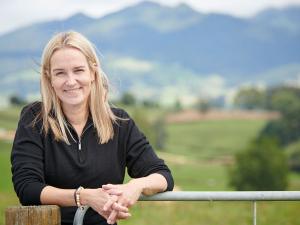
Minister of Conservation Hon Tama Potaka has appointed Susan O'Regan as Chair of the Queen Elizabeth II National Trust (QEII) for a three-year term.
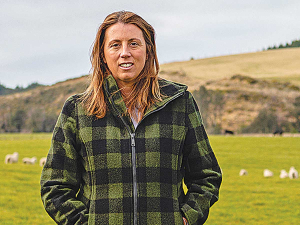
Red meat farmers are welcoming Labour’s plan to review the Emissions Trading Scheme and not to campaign on pricing agricultural emissions.
Where any worker in the kiwifruit industry is mistreated, we expect the authorities to take action.
Mid Canterbury Federated Farmers arable chair, Bevan Lill, said Beef + Lamb NZ data indicated that for the last six years, the average arable return on investment was about 0.8% while inflation ran about 4% - so the average arable farm was going backwards at about 3% a year.
Seed and grain companies share the concerns of arable farmers about the viability of their sector, says Seed and Grain New Zealand chief executive Dr Sarah Clark.
The New Zealand Institute of Forestry (NZIF) says unnecessary changes to New Zealand’s Emissions Trading Scheme (NZ ETS) will seriously erode investor confidence and result in significant reductions in forest planting rates.