Mary Bowron Named Best Sheep and Beef Vet of the Year
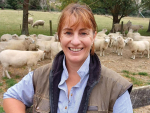
B+LNZ's Wormwise veterinarian Mary Bowron has won the Best Sheep and Beef Vet of the Year Award in recognition of her outstanding contribution to New Zealand’s sheep and beef sector.
 increase font size
 Dr Helen Beattie.
Vets NZ-wide are gearing up to help farmers comply with new rules on using local anesthetic while removing horn tissue from cattle.
The new rules come into force from October 1 this year.
NZVA chief veterinary officer Dr Helen Beattie says the NZVA has been educating members so they are ready to help farmers comply with changes to the Animal Welfare (Care and Procedures) Regulations.
“We support these changes as they are a win for animal welfare,” Beattie says. “They mean that the immediate pain associated with these common procedures should be eliminated for all cattle.”
She says it is important that farmers are aware of their obligations and how best to meet them.
Animal Welfare (Care and Procedures) regulation 57 (disbudding, which is the removal of horn tissue in calves) and regulation 58 (dehorning in cattle) require that cattle undergoing disbudding or dehorning be under the influence of appropriately placed and effective local anaesthetic pain relief (as a minimum).
Failure to comply may result in fines from $3000 for an individual to $25,000 for a body corporate.
In many cases, horn removal is done by veterinarians or technicians. However, farmers with appropriate training and a local anaesthetic veterinary authorisation may also do the task.
“We have been working hard to ensure that veterinarians and farmers are well supported regarding these changes to make sure veterinarians can help farmers meet these requirements on-farm,” Beattie says.
This has involved NZVA in running workshops for member veterinarians NZ-wide outlining the new regulations and ways that veterinarians can help to ensure farmers can comply with them.
“We have also developed new and updated existing policies, guidance and standard operating procedures, which include step-by-step best practice instructions for these common procedures.”
Only vets are legally mandated to authorise non-veterinarians to use registered veterinary medicines such as local anesthetic. Vets can support farmers to comply with the new regulations in various ways. Veterinary staff (including veterinary technicians) can perform the procedures, a veterinary authorisation can be issued to the farmer (or person in charge), or veterinary operating instructions can be given to someone who is not the animal owner or person in charge.
B+LNZ's Wormwise veterinarian Mary Bowron has won the Best Sheep and Beef Vet of the Year Award in recognition of her outstanding contribution to New Zealand’s sheep and beef sector.

Taranaki veterinarian Dr Rob Mills is the new president of New Zealand Veterinary Association (NZVA).
The New Zealand Veterinary Association (NZVA) has launched a new summer checklist for animal owners this year.
World Veterinary Day falls on Saturday 27 April.
The New Zealand Veterinary Association Te Pae Kīrehe (NZVA) is calling on animal owners to work with their veterinarian to keep animals healthy and help prevent drug-resistant infections from developing.

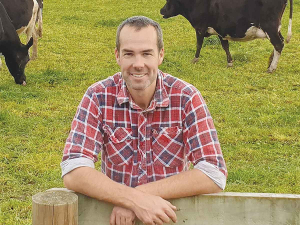
DairyNZ deputy chair Cameron Henderson has been re-appointed unopposed for another term.
Farms across the upper North Island are trialling different pasture mixes as part of a research programme that aims to build greater resilience into farming systems.
Election years are always a concerning time for farmers, according to DairyNZ chair Tracy Brown.
The Ballance Farm Environment Awards are coming to the West Coast of the South Island.
Most dairy regions around the country have had a pretty good season so far says Tracy Brown.