International Day of Rural Women: Two DairyNZ Farmers’ Stories
Today, 15 October, is the International Day of Rural Women, which recognises rural women’s contribution to farming, communities and the environment.
 increase font size
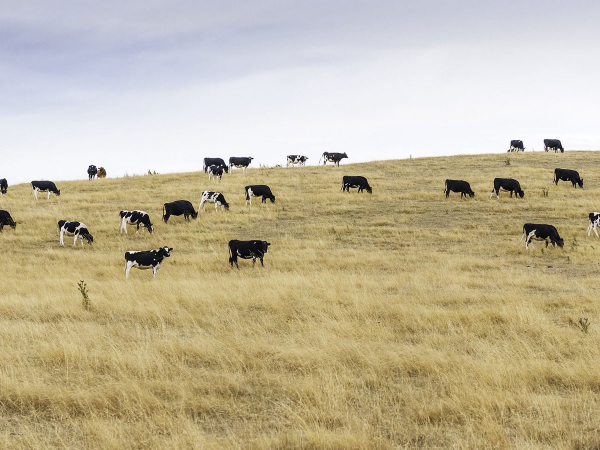 Levies are adjusted to reflect the latest industry farm gate values and slaughter volumes for dairy and beef stock.
TB differential slaughter levy rates are changing with dairy animals paying $12.25/head, an increase of 75c from next month.
Ospri says that each year, the slaughter levy rates for beef and dairy cattle are reviewed under the TBfree Funders’ Agreement to ensure that the overall funding of the TBfree programme aligns with the agreed funding levels.
Levies are adjusted to reflect the latest industry farm gate values and slaughter volumes for dairy and beef stock.
The levy for beef animals drop by 25c to $4.50/head.
Ospri says The TB differential slaughter levy is collected to support funding of the programme on behalf of beef and dairy industries. The funding shares change annually based on shifts in the relative size and value of each industry.
“We communicate any adjustments to the differential slaughter levy to DairyNZ, Beef + Lamb New Zealand and Deer Industry New Zealand — the industry levy bodies in the TBfree Funders’ Agreement. Adjustments are made in line with the annual funding level specified.
“Adjustments in differential levy rates don’t provide an overall increase in the annual funding of the TBfree programme — but do ensure consistent funding to enable the programme to deliver.”
Ospri advises both beef and dairy farmers to keep their NAIT accounts up to date and record the correct animal type to ensure they are paying the correct TB slaughter levy.
Today, 15 October, is the International Day of Rural Women, which recognises rural women’s contribution to farming, communities and the environment.
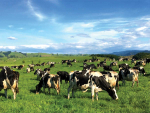
The first major update to the Dairy Cattle Code of Welfare in more than a decade has been released, marking what DairyNZ describes as an important step in ensuring animal welfare standards continue to evolve alongside scientific evidence and on-farm realities.
Have a plan in place for your cows and staff.
DairyNZ deputy chair Cameron Henderson has been re-appointed unopposed for another term.
OPINION: The stats speak for themselves.


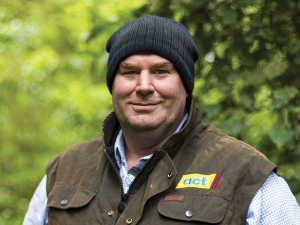
As part of its Election 2026 coverage, Rural News asked political parties how they would help pull the arable sector out of the doldrums. Here's what they said:
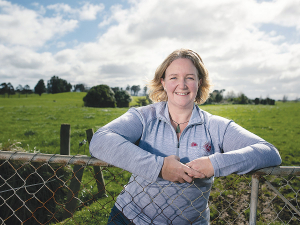
Farmers are being encouraged to rethink how they manage waste on farm with the launch of ruralwastesorted.co.nz, a new website bringing together practical tips, real farmer experiences and resources.
New Zealand Winegrowers (NZW) is celebrating the India-New Zealand Free Trade Agreement (FTA) coming into force today, bringing New Zealand wine improved access to one of the world’s fastest-growing economies.
New Zealand’s red meat sector has welcomed the India-New Zealand Free Trade Agreement taking effect, which removes India’s 33% tariff on New Zealand sheepmeat.
More than 95 per cent of New Zealand’s forestry and wood exports to India can now enter tariff free as the New Zealand-India Free Trade Agreement comes into force today.
Federated Farmers is backing Feilding High School’s call to keep Agriculture and Horticultural Science as a standalone subject in Year 11.