B+LNZ Urges Farmers to Graze Lucerne Hard Before Winter Weed Control
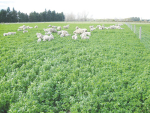
Beef + Lamb New Zealand is reminding farmers with lucerne stands to graze them hard over the next few weeks in preparation for a winter weed control programme.
 increase font size

TBFREE NEW Zealand is planning an aerial drop of 1080 this winter in Waipunga, near the Taupo-Napier highway.
The target is about 1659ha of Whirinaki Forest, home to North Island brown kiwi, whio, kaka and threatened native bats. The area includes private, government and Maori-owned land.
TBfree NZ quotes DOC senior ranger Dave Wills as saying some of New Zealand’s rarest bird and plant species will benefit from the pest kill, chiefly of possums, rats and stoats.
“DOC is working with TBfree New Zealand to ensure the best results possible for native wildlife,” says Wills.
“A wide range of other forest birds, trees and wildlife also stand to benefit from the knockback of predators like possums, rats and stoats.”
TBfree Hawke’s Bay committee chairman Dennis Mitchell says the “battle against bovine TB has been waged in Hawke’s Bay for 25 years and currently there are no infected cattle or deer herds in the region”.
“We seek to methodically [kill] pests, especially possums, which can sustain the disease in wildlife.
“Effective pest [killing] in our rugged bush is vital to protect farmed livestock and export markets.”
Dennis Ward, of Ngatapu Station, a farmer and hunter, also favours the operation.
“When you look at
the practicalities of 1080 in improving the quality
of life of our native species, it’s a no-brainer,” Ward says.
“People don’t appreciate that possums, stoats, ferrets and rats… decimate our native bird populations.”
Research shows 1080 benefits native birds and forests, he says. “The evidence has convinced me that it is the best method, particularly in rugged terrain like the Waipunga area, where ground [kills are] impractical.”
“It is amazing to see the bush come alive with native birds following a 1080 operation.”
Beef + Lamb New Zealand is reminding farmers with lucerne stands to graze them hard over the next few weeks in preparation for a winter weed control programme.
Southland farmers are being encouraged to get ahead of the winter grazing season by attending a practical field day in Pukerau next week.
As we approach the winter months it’s important to be prepared for the challenges and uncertainties that come with unpredictable weather events.
Animal welfare is a central focus of Beef + Lamb New Zealand’s (B+LNZ) new winter grazing campaign.
Going into autumn, Beef + Lamb New Zealand is encouraging farmers to think about how they will manage their winter fodder crops – particularly in a year when feed resources are likely to be tight.


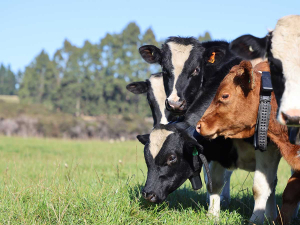
High country stations, mixed sheep and beef farms, Māori-owned farms, corporates and family operations are among the nine commercial farms taking part in the Livestock Innovation Farming Transformation programme, known as LIFT.
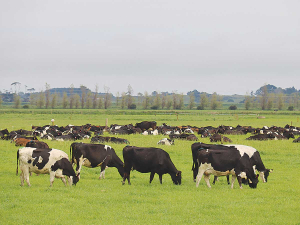
OPINION: New health and safety guidance unveiled by the Government recently provides farmers greater certainty about what is expected of them when managing risks on farm.
The National Animal Welfare Advisory Committee (NAWAC) is seeking public feedback on proposed changes to the Code of Welfare for Rodeos.
A New Zealand initiative supporting farmers to restore the health of grazing landscapes has received international backing through the Regenerative Fund for Nature, a global collaborative fund supporting regenerative agriculture and the communities that produce natural fibres for the fashion industry.
Combine premium New Zealand products, blend in a family ritual and what do you get? A world-class functional drink.
Entries are now open across eleven regions for the 2027 New Zealand Dairy Industry Awards (NZDIA).