
Fines For Velveting Without Pain Relief, Illegal Slaughter and NAIT Breaches
Three men have been sentenced in District Courts after Ministry for Primary Industries prosecutions over animal welfare, food safety and cattle tracing offences.



 increase font size
 Agriculture Minister Damien O'Connor
The Government is offering wellbeing support to fruit growers facing tough times.
A support package, announced today by Agriculture Minister Damien O’Connor, will boost funding and resources to support affected growers and their staff, including workplace-based wellbeing training programme.
focusing on the importance of mental wellness are expected to kick-off in April and are also planned for the Gisborne, Hawke’s Bay, Tasman and Central Otago regions.
The package is a joint initiative between Government and industry. The Ministry for Primary Industries (MPI) and the Ministry of Social Development (MSD) will contribute almost $350,000.
“I understand it’s challenging at the moment. The pandemic has led to national workforce issues and orchardists down south have suffered crop losses caused by weather events,” says O’Connor.
New Zealand Apples and Pears chief executive Alan Pollard said it will build on work already being done to boost training and development to help growers attract, recruit and retain staff.
“Many of our members are under considerable stress and we all need to look out for each other. This comprehensive package of workshops, training and events will greatly assist with that,” Pollard says.
The support package is part of a raft of measures being funded to help address labour shortages across the sector.
O’Connor said there is a big focus on connecting people looking for work with roles that need to be filled.
“Last year, I launched Opportunity Grows Here – a campaign funded through Budget 2020, to attract 10,000 New Zealanders into food and fibre jobs over four years.
“I’m pleased that to date 3,121 people have gained employment as a result of promotional campaigns, training courses and connections provided through MPI’s regional liaison service.”
MPI has funded a free online course to provide job seekers with the credentials they need, such as health and safety and phytosanitary training, to be able to work in the horticulture sector.
“Rural Support Trusts are also there to help rural people with wellbeing support during tough times. The Trusts work alongside communities and are well placed to deliver confidential one-on-one support,” O’Connor said.
Three men have been sentenced in District Courts after Ministry for Primary Industries prosecutions over animal welfare, food safety and cattle tracing offences.

For years, New Zealand’s dairy sector has been moving towards more selective use of antibiotics at dry-off, yet blanket dry cow therapy (DCT) – treating every cow in the herd with antibiotics, regardless of her individual infection status – has persisted on some farms.
Where any worker in the kiwifruit industry is mistreated, we expect the authorities to take action.
Bovine Viral Diarrhoea (BVD) is sometimes viewed as a dairy industry issue, but the reality is that the disease can have serious consequences for beef breeding herds as well.
Kiwifruit growers are watchful but remain optimistic as concerns around the potential effects of the El Niño weather pattern this season.


During the nesting season, from September to December, industrious starlings can quickly build nests in the darker areas behind tractor and vehicle, usually close to hot engines, typically resulting in localised damage or in some cases complete write-offs.
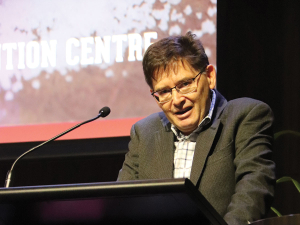
The meat processing industry is much more collegial than it was in the past and is now more focused on common goals.
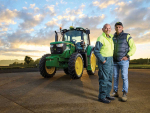
With the last couple of months having seen some potential tractor purchases put on hold with the impending election and continued input cost rises, year-to-date figures, ending September, has seen deliveries up around 5% over the same period in 2025, with a total of 2026 units.
Beef+Lamb New Zealand is calling for nominations for director roles in the Northern South Island and Northern North Island electoral districts.
Fonterra chief executive, Richard Allen says being resilient has helped the dairy industry overcome extreme volatility in recent years.
The head of the Ministry for Primary Industries (MPI) trade and international relations group says New Zealand is well-positioned to secure trade access and compete internationally as the world becomes more complicated, demanding and uncertain.

OPINION: The same mainstream media muppets that brought you Jacindamania in 2017 have been flat out pimping for the Opportunities…
OPINION: Your old mate reckons the atrocious way farmers in the UK are treated by their lords and masters in…




