NZKGI Responds to Migrant Worker Exploitation Reports
Where any worker in the kiwifruit industry is mistreated, we expect the authorities to take action.
 increase font size
 NZKGI growers say they will support the 2021 drive for The Foodbank Project.
New Zealand Kiwifruit Growers Inc. (NZKGI), the industry body which advocates for 2,800 growers, is encouraging its members to pitch in and donate to the most vulnerable through The Foodbank Project.
The Foodbank Project is a joint partnership between Countdown, the Salvation Army, and Lucid.
The drive recognises that Covid-19 continues to have an economic impact upon New Zealand with many kiwis struggling financially.
“It’s great to see this drive as a continuation of the 2020 grower initiative launched in the Bay of Plenty to help support the unprecedented demand due to the ongoing impacts of Covid-19,” says NZKGI chief executive Nikki Johnson.
“Growers answered the call and donated thousands of dollars’ worth of food and necessities. As a result of the drive’s success, NZKGI committed to rolling out the appeal in other kiwifruit growing regions,” says Johnson.
Jono Bell, Salvation Army territorial director of community ministries says “The pressure on our clients and their whanau to make ends meet is enormous, and Covid-19 has added more uncertainty.”
Instead of utilising drop off points for growers to deliver food, the Foodbank Project encourages donors to donate only and choose from a range of products and bundles that are critically needed for food parcels.
The order is subsequently packed and delivered by local Countdown stores to Salvation Army foodbanks of the donor’s choice.
The drive lasts from 29 January until 5 March.
Where any worker in the kiwifruit industry is mistreated, we expect the authorities to take action.

Kiwifruit growers are watchful but remain optimistic as concerns around the potential effects of the El Niño weather pattern this season.
Signs for the 2026-27 kiwifruit crop look good, but there are still some challenges for growers – especially those who produce green kiwifruit.
Reports of severe weather forecast to move over the vast majority of New Zealand’s kiwifruit orchards this weekend will be very concerning for a significant number of growers.
While the recent storms in the upper and eastern part of the North Island have hit a few kiwifruit growers, it is unlikely to have a major impact on the overall industry.


Will drones be the answer to tackling the problem of wasp and hornet nests high up in trees and other inaccessible places?
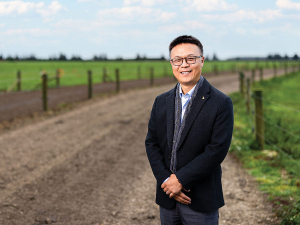
Canterbury milk processor Synlait has come through tough times and is now ready to scale up from a stable base, says its newly confirmed CEO Leon Fung.
NZPork says a ham made in New Zealand is not necessarily made from New Zealand pork.
Rural Contractors NZ says proposed changes to land transport rules for agricultural vehicles are a welcome response by the Government to out-of-date regulations which have seen members hit with huge fines.
With New Zealand’s greenhouse gas emissions in the spotlight, Auckland scientist Nathan Balasingham says there’s a better way to tackle the problem than shrinking cow numbers or fertiliser usage.
Massey University vice chancellor Pierre Venter says his institute is moving from a period of austerity into a growth phase, based on their new strategy.