
Avo growers getting smashed
New Zealand Avocado chief executive Brad Siebert says avocado growers are facing increasing cost pressure across all areas of their business.



 increase font size
 NZ Avocado chief executive Jen Scoular.
New Zealanders are being urged to eat more avocados and support local growers.
New Zealand Avocado, which represents local growers, has set the bold goal for New Zealanders to more than double their average avocado intake from 16 avocados per year to 40.
Currently, Mexico leads the world, eating their way through 40 avocados (or 10kg) per person every year, with many other countries averaging around 28 avocados per person.
NZ Avocado chief executive Jen Scoular says the sustainability of the local avocado market relies on New Zealanders eating more.
"While 40 a year seems like a lofty goal, it's not impossible. In fact, a percentage of the New Zealand population (avocado lovers!) are already eating an astonishing 16 per month," she says.
"This is great news for New Zealand growers, because we don't import avocados. We grow enough here for the whole population, so every avocado you eat in Aotearoa supports our local economy.
"There was excellent discussion amongst all the 33 countries represented at the Congress about the need to drive demand domestically and increase demand in our own countries," says Scoular.
According to NZ Avocado, 60% of all avocados grown in New Zealand are eaten by just 5% of the population.
Scoular says consumption hasn't peaked so there is huge potential for growth.
"Avocados are a source of protein, good fats and carbohydrates and they're suitable for vegetarians, vegans, as well as those on sugar-free, gluten-free and keto diets," says Scoular.
The three-day congress attracted 750 delegates from 32 countries.
Before the congress, delegates from overseas visited eight locations including sites in Glenbrook, Tapora, Whangarei and the Bay of Plenty to experience NZ's diverse avocado growing systems and innovative supply chain processes.
Association of Avocado Exporting Producers and Packers of Mexico (APEAM) chief executive Armando Lopez says the growers and industry delegates who joined the congress from Mexico are thrilled that it was possible to travel to the successful event.
"Especially knowing the big effort that the New Zealand team has put in, given the pandemic challenges of the last four years. This is the moment that the worldwide avocado industry can come together to be aligned for the future in sustainability and quality - and the marketing of health benefits of our fruit for consumption," says Lopez.
Delegates are also determined to share the important sustainability story behind avocados.
"There is such an amazing opportunity for the avocado sector to promote the multitude of benefits provided by this fruit. Avocados meet the world's need for high nutrition, they have amazing health attributes and they're delicious at the same time."
Before the congress ended, South Africa was announced as host of the 11th World Avocado Congress to be held in 2027.
"Congratulations to South Africa. It is a huge honour to host this important event," says Scoular.
New Zealand Avocado chief executive Brad Siebert says avocado growers are facing increasing cost pressure across all areas of their business.

Outgoing chief executive of New Zealand Avocado, Jen Scoular believes the sector is well set up despite a challenging environment for growers around the globe.
NZ Avocado Growers Association chief executive Jen Scoular will step down in August after serving 12 years in the role.
NZ Avocado Growers Association chief executive Jen Scoular will step down in August after serving 12 years in the role.
New Zealand may only produce 2% of the world avocado crop but the sector is a key part of our horticulture sector.


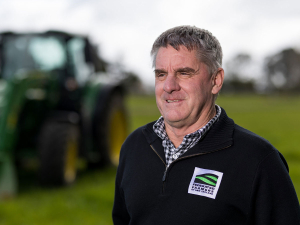
National’s pledge to introduce 19 new national standards shows the party is serious about getting Wellington out of farming, Federated Farmers says.
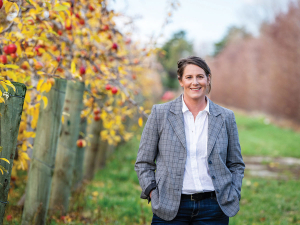
The National Party’s policies to make it easier to grow fresh vegetables, secure reliable water and energy and simplify farm planning are practical changes that will give growers the confidence to invest, according to Horticulture New Zealand (HortNZ).
Fonterra Co-operative Group chief financial officer Andrew Murray has resigned to take up a role outside the dairy giant.
A major move is about to get underway to improve the quality and viability of dairy beef and cattle in NZ.
Veterinarians say changes to the code of welfare for dairy cattle provides a positive foundation for improved cattle welfare across the country.
Today, 15 October, is the International Day of Rural Women, which recognises rural women’s contribution to farming, communities and the environment.




OPINION: The same mainstream media muppets that brought you Jacindamania in 2017 have been flat out pimping for the Opportunities…
OPINION: Your old mate reckons the atrocious way farmers in the UK are treated by their lords and masters in…




