What Would Synlait Be Worth to Fonterra or a2 Milk?
Speculation of a possible joint move by Fonterra and a2 Milk to buy Synlait raises a much bigger strategic question, says agribusiness expert Dr Nic Lees.
 increase font size
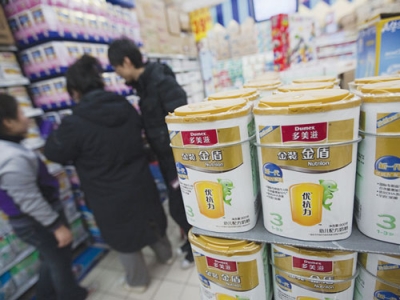 Danone is offloading its troubled Dumex infant formula brand in China.
French dairy processor Danone is still feeling the after-effects of Fonterra’s false botulism scare in the Chinese market.
The world’s second largest dairy player says sales of Dumex infant formula has failed to reach pre-2013 levels; it has decided to sell the business to Chinese processor Yashili.
Announcing its 2015 half year results last month, Danone revealed it had struck a preliminary deal to sell Dumex to local partner Yashili International Holdings Ltd and would take a $663 million impairment charge that limited profit growth in the first half.
Danone will use proceeds from the sale, expected to close by year-end, to deepen ties with one of the country’s biggest dairy firms, raising its 9.9% stake in China Mengniu Dairy Co Ltd, Yashili’s indirect parent, by around 2%.
The company says it remains on track to achieve its full-year goals despite a still difficult global economic climate and weak sales of Dumex infant formula.
The company, the world’s largest yoghurt maker, whose brands include Actimel and Activia, posted higher first-half operating profit via cost cutting and lower milk prices.
Its core dairy division is however grappling with weak consumer spending in Europe and Russia; Danone expects the division to stabilise its sales by the end of 2015.
In China, which contributes 7% of group sales, Danone continued to benefit in the first-half from Chinese imports of western European infant milk formula and strong online sales. This is because Chinese consumers are buying more foreign-made infant formula due to concerns over the safety of locally produced baby food following health scares.
Danone, which competes globally with Nestle and Unilever, has been rebuilding its position in China after an infant formula product recall in Asia in 2013. It is also battling Fonterra over compensation relating to the recall.
Sales in its early life nutrition business were up, the company says.
“In the Chinese market, the division is seeing a boom in online sales and our Aptamil and Nutrilon brands, generating double-digit growth for European sales.
“Despite this… Dumex brand products remained well below levels of early 2013, hit hard by the false alert raised by Fonterra and by the shift in consumer preferences from supermarkets to online sales and specialised distribution.
“Danone has decided to reallocate resources in this market, and subsequently to revise downward long-term sales projections for Dumex in China.”
Danone chief executive Emmanuel Faber says in China it is strengthening the Early Life Nutrition business, building on the success of its international brands and reinforcing partnerships with Mengniu and Yashili.
Speculation of a possible joint move by Fonterra and a2 Milk to buy Synlait raises a much bigger strategic question, says agribusiness expert Dr Nic Lees.

OPINION: Media reports say global recalls tied to cereulide toxin contamination in milk-based nutrition brands could inflict combined financial losses exceeding $1 billion.
OPINION: As soon as RNZ realised MP Andrew Hoggard's sister worked for Dairy Companies Association of NZ (DCANZ) and was, shock horror, lobbying government on behalf of its members, it wasted no time accusing him of not managing conflicts of interests.
Dairy's superpowers are lifting their game on proving greenhouse gas credentials.
Fonterra has climbed three places to number six on RaboResearch's annual Global Dairy Top 20 report.


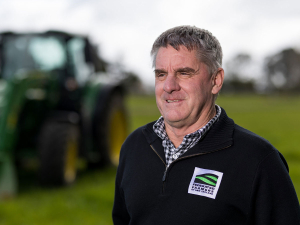
National’s pledge to introduce 19 new national standards shows the party is serious about getting Wellington out of farming, Federated Farmers says.
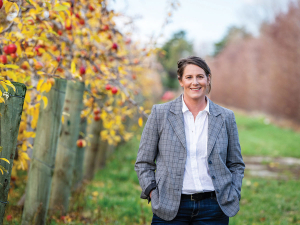
The National Party’s policies to make it easier to grow fresh vegetables, secure reliable water and energy and simplify farm planning are practical changes that will give growers the confidence to invest, according to Horticulture New Zealand (HortNZ).
Fonterra Co-operative Group chief financial officer Andrew Murray has resigned to take up a role outside the dairy giant.
A major move is about to get underway to improve the quality and viability of dairy beef and cattle in NZ.
Veterinarians say changes to the code of welfare for dairy cattle provides a positive foundation for improved cattle welfare across the country.
Today, 15 October, is the International Day of Rural Women, which recognises rural women’s contribution to farming, communities and the environment.