International Day of Rural Women: Two DairyNZ Farmers’ Stories
Today, 15 October, is the International Day of Rural Women, which recognises rural women’s contribution to farming, communities and the environment.
 increase font size
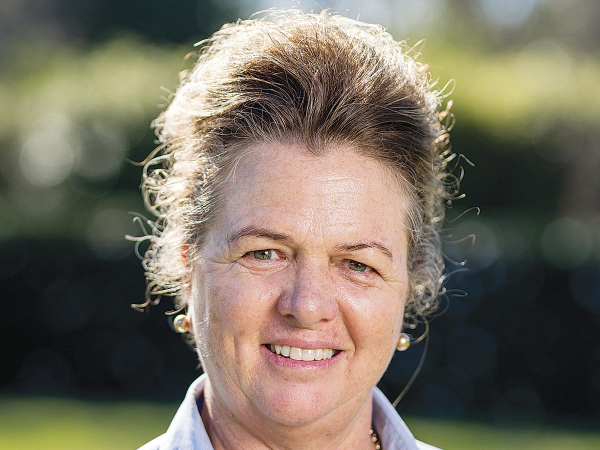 Tracy Brown says the milksolids levy keeps the industry moving forward.
OPINION: We do dairy very well here in New Zealand and our products are revered internationally. With our products exported to 130 countries, on any given day an estimated 90 million people could be consuming our dairy.
We are leading the world when it comes to responsible dairy production. New Zealand dairy farmers are achieving more with fewer cows, shown through record milk production per cow and continued genetic progress.
It's been hard graft to get to this point, but collaboration has been crucial to our success.
For more than a century, dairy farmers to support a thriving dairy sector that is intergenerational, where our care for land, people, animals and community is world class.
Through the Milksolids Levy, our farmers have shared knowledge, the cost of future-focused research, and its on-farm benefits, and established the clear, united voice of dairy that has generated more government support and practical policy.
This year New Zealand dairy farmers have the opportunity to vote on the future of the Milksolids Levy. Any business that produces milksolids from bovine animals for supply to a dairy processor is eligible to vote, including dairy farm owners, sharemilkers, and dairy farm leaseholders, and we encourage them all to have their say.
The Milksolids Levy is the primary source of funding for DairyNZ's work. As the industry organisation representing all New Zealand dairy farmers, we invest in practical on-farm tools, research, farmer support, extension, and advocacy to help farmers respond to change and seize opportunities.
We're focused on ensuring the Milksolids Levy is our farmers' best investment. An independent report in late 2025 found DairyNZ's levy-funded activities created a seven-fold retun on investment for farmers in terms of value with benefits coming from productivity gains and costs avoided.
But there's more work to be done.
We are working in a dynamic space and there are a lot of opportunities, particularly in maximising pasture and grass-fed advantage, innovation and technology adoption, genetic gain, environmental solutions, workplace development, and sector-wide collaboration. The Milksolids Levy helps New Zealand farmers be competitive in this space.
 |
|---|
|
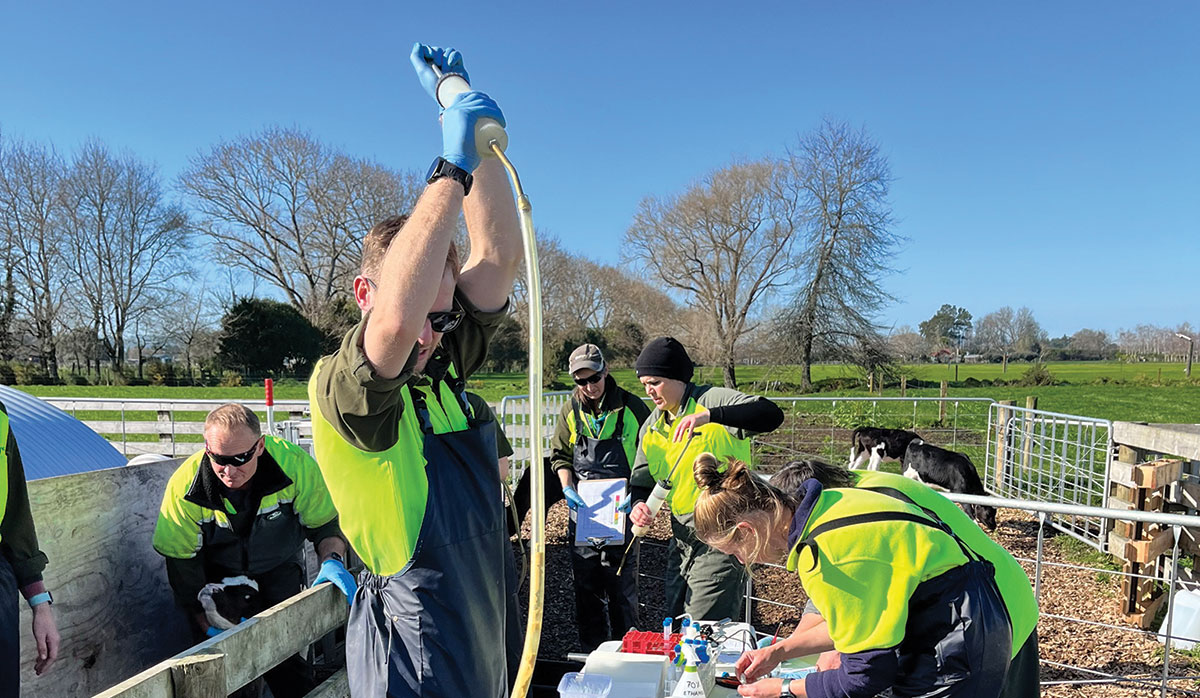
The milksolids levy is the primary source of funding for DairyNZ's work. |
Your Milksolids Levy is an investment in shared knowledge between farmers and industry experts - turning real-life experience and science-based advice into everyday improvements, so good ideas spread fast and pay off for us all.
New challenges will need fresh ideas, better tools and the same spirit of working together that's always set our sector apart. When we share what works, and when we back each other, we all move forward.
Your levy is a collective investment that has supported you on farm and in your community. It's what keeps us all moving forward. So, let's keep ahead and lock in as the world's most productive dairy farmers, embracing responsible dairy as our competitive advantage, and future-proofing the way we farm.
Let's vote - together.
Tracy Brown is chair of DairyNZ
Today, 15 October, is the International Day of Rural Women, which recognises rural women’s contribution to farming, communities and the environment.
The first major update to the Dairy Cattle Code of Welfare in more than a decade has been released, marking what DairyNZ describes as an important step in ensuring animal welfare standards continue to evolve alongside scientific evidence and on-farm realities.
Have a plan in place for your cows and staff.
DairyNZ deputy chair Cameron Henderson has been re-appointed unopposed for another term.
OPINION: The stats speak for themselves.


As part of its Election 2026 coverage, Rural News asked political parties how they would help pull the arable sector out of the doldrums. Here's what they said:
Farmers are being encouraged to rethink how they manage waste on farm with the launch of ruralwastesorted.co.nz, a new website bringing together practical tips, real farmer experiences and resources.
New Zealand Winegrowers (NZW) is celebrating the India-New Zealand Free Trade Agreement (FTA) coming into force today, bringing New Zealand wine improved access to one of the world’s fastest-growing economies.
New Zealand’s red meat sector has welcomed the India-New Zealand Free Trade Agreement taking effect, which removes India’s 33% tariff on New Zealand sheepmeat.
More than 95 per cent of New Zealand’s forestry and wood exports to India can now enter tariff free as the New Zealand-India Free Trade Agreement comes into force today.
Federated Farmers is backing Feilding High School’s call to keep Agriculture and Horticultural Science as a standalone subject in Year 11.