Calf Shed Hygiene Starts with Chemistry
Good Calf shed hygiene has always been about providing clean, dry bedding.
 increase font size
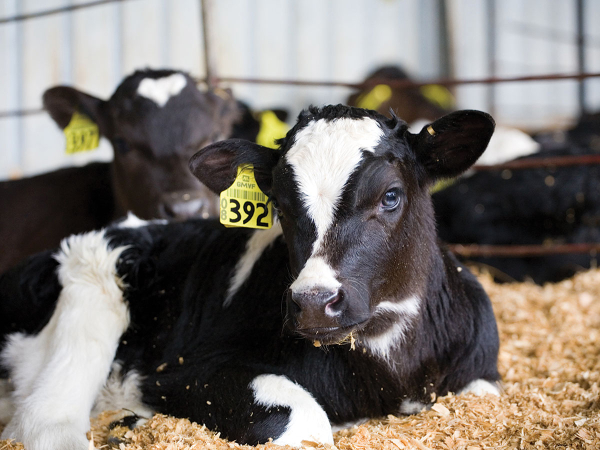 Comfortable and healthy calves are easier to manage.
Clean and comfortable calf sheds help create a nurturing environment for calves, reduces the risk of disease and encourages high growth rates.
Having an appropriate set up and rearing system will help create a comfortable environment for calves that also helps maximise energy intakes and growth.
Young calves are particularly vulnerable to environmental stresses.
Their limited ability to regulate body temperature, developing immune systems, and high surface area to body weight ratio mean that housing decisions have a direct impact on their energy balance, health status, and welfare.
Effective calf housing goes beyond providing basic shelter - it creates an environment that supports natural behaviours, minimises disease risk, and optimises growth potential.
By focusing on calf comfort through appropriate bedding, adequate space, proper ventilation, and meaningful enrichment, you're investing in the future productivity and welfare of your herd.
Housing is just one component of successful calf rearing, but it's a foundation that influences every other aspect of calf management.
Comfortable, healthy calves are easier to manage, more resilient to challenges, and more likely to develop into productive, long-lived dairy cows.
When planning or modifying calf housing systems, consider these key principles:
While ease of management is important, calf comfort should be the primary consideration. Comfortable calves grow faster, stay healthier, and require less intervention. Regularly assess your facilities from the calf's viewpoint. What seems adequate from human height may be very different at calf level.
Ensure housing allows calves to express normal behaviours including lying, playing, grooming, and exploring. Restrictive environments compromise welfare and development.
Calf needs change as they grow, and seasonal conditions vary. Design systems that can be adjusted for different calf sizes, group sizes, and weather conditions.
Design feed, water, and resting areas to minimise competition between calves. Shy or smaller calves should still be able to access all resources comfortably.
It is important to ensure that there is enough ventilation so that there is a regular circulation of clean air through the sheds. This circulation reduces the risk of respiratory diseases.
Although ventilation is key, it's important that calves are not exposed to draughts. Get down on the calf level - try at different times of the day and under different weather conditions. Ensure that calves remain warm and dry - if you can feel draughts at their level, this will reduce growth rates as more energy is used to keep warm and less is available for growth.
Within the pen, ensure that calves have enough space. General recommendations are for around 1.5 - 2.5mm2 per calf - the more you can give the better. This space will allow the calves to move around freely, explore, and play, as well as providing enough space for the whole group of calves to avoid any poor weather that may come in through the open side of the shed.
New Zealand is one of the only countries that group houses calves. Our calves' benefit from this as it gives them opportunities to play, bond, and learn from their peers.
Sufficient space allows calves to move freely, explore their environment, engage in play behaviours, and avoid aggressive pen mates during feeding or resting.
Adequate space reduces competition for resources like feed, water, and comfortable lying areas. When calves feel crowded, stress levels increase, which can suppress immune function and reduce growth rates.
Complete pen emptying allows for thorough cleaning and disinfection, breaking the cycle of pathogen buildup that occurs when new calves are continuously introduced to contaminated environments.
Limit unnecessary movements between pens to reduce stress and prevent the spread of pathogens. Each time calves are moved, they experience stress and are exposed to new disease challenges.
Maintain a separate isolation area for calves requiring special attention. Early separation of sick calves reduces diseases transmission risk, but staff must clean and disinfect themselves and equipment after handling sick animals before returning to healthy calves.
Ensure that staff clean and disinfect themselves and their equipment after handling sick calves, or if possible, provide a separate set of personal protective equipment (PPE) for the sick pen.
The most important thing to consider is whether the bedding keeps the calves warm and dry, and if it drains freely.
Calves should be reared on a soft bedding that is comfortable, dry, and clean. Research shows calves housed on stones are colder, spend less time lying down, and engage in less play behaviour compared to those on softer bedding materials. These impacts on comfort and natural behaviour translate directly into reduced growth rates and compromised welfare.
Stone conducts heat away from calves’ bodies, forcing them to use more energy to maintain body temperature. This energy could otherwise be directed toward growth and immune function. Uncomfortable surfaces discourage calves from lying down and resting adequately. Rest is crucial for growth hormone release and overall development.
Play is an important indicator of calf welfare and contributes to normal behavioural and physical development. Hard surfaces discourage the jumping, running, and social play that healthy calves naturally engage in.
While stone floors are not recommended, if structural constraints mean you must use them, provide a layer of straw over the back half of the pen to create some comfortable lying space. This compromise allows calves access to a softer surface for resting while maintaining some drainage benefits in high-traffic areas. However, this should be viewed as a temporary solution while planning for better bedding systems that prioritise calf comfort throughout the entire pen area.
Avoid using bedding if it is also offered as a feed source. For example, if you feed roughage of straw or hay, also using this as a bedding may mean that the calves are more inclined to nibble at the bedding, which increases risk of disease.
Clean water should be available to all calves. Even young calves will often have a drink. Without access to water, meal intake decreases and rumen development and weight gain slow down. Clean water troughs regularly.
After calves drink, they like to eat. Multiple calves should be able to eat at once. Position your feed so that it is easily visible and accessible to all calves at the same time.
Good Calf shed hygiene has always been about providing clean, dry bedding.
Most dairy regions around the country have had a pretty good season so far says Tracy Brown.
Matt Collier, Probiotic Revolution, says calves will drink a lot of milk once-a-day with their probiotic Calf Xtreme.
Farmers can spend less time on paperwork, thanks to a new data sharing agreement between DairyNZ’s DairyBase and LIC’s MINDA software.
When Northland farmer Mark Cameron entered parliament six years ago, the Beehive was a lonely place.



Synlait has swung to second-half profit as operations stabilise, but the dairy processor still posted a $75.4m annual loss.

LIC shareholders have elected a new North Island representative to the co-operative's Board, along with five representatives to its Shareholder Reference Group (SRG), following the company's Annual Meeting held in Invercargill.
Farmers across parts of Southland and South Otago are continuing to deal with difficult conditions after a prolonged run of wet weather, with pressure building around feed supply, stock management, pasture damage, farm infrastructure and everyday workloads.
Federated Farmers says it welcomes Labour's commitment to reviewing the Sharemilking Agreements Act, calling on other major parties to do the same.
For Canterbury dairy farmers Sian Meijer and Rick Wobben, wearable technology has become one of their most valuable on-farm tools - helping manage 1850 cows across an expansive, high-performing dairy operation while improving efficiency, mating outcomes and day-to-day decision making.
Fonterra has unveiled its annual results for the 2026 financial year, posting $27 billion in revenue and close to $20 billion returned to New Zealand farmer owners and unit holders.