International Day of Rural Women: Two DairyNZ Farmers’ Stories
Today, 15 October, is the International Day of Rural Women, which recognises rural women’s contribution to farming, communities and the environment.
 increase font size
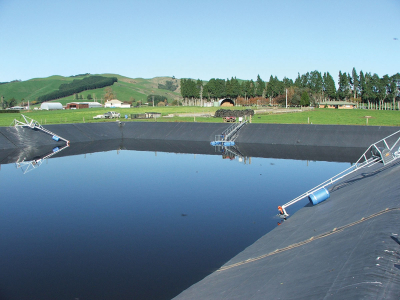
Planning is crucial to designing a safe, effective effluent pond.
Effluent ponds provide temporary storage of effluent, when soil conditions are not suitable for irrigation.
Having a well designed and constructed pond will save you time and money; also providing peace of mind and increased flexibility – determine when to irrigate at a time that suits.
It will also allow more effective utilisation of nutrients and water and importantly, reduce risk of effluent non-compliance.
When designing a pond there are three key things you want:
1. A sealed pond to avoid leakage to groundwater
2. A well designed structure that also allows for ongoing operation and maintenance, and is appropriately sized for the volume of effluent produced now and in the foreseeable future
3. A pond that meets regional and district council and Building Act requirements.
DairyNZ recommends that those involved with the technical design and construction of dairy effluent storage ponds have a thorough understanding of the full practice note for effluent pond construction.
Planning is a critical stage – poor information now will compromise the whole project and your effluent pond may never meet your needs.
DairyNZ says to ensure your designer and contractor have the right information to design your effluent pond you will need to provide them with information on your future intentions and your design preferences.
“When designing effluent ponds it is best to future-proof your system: by making sure your future intentions with farm are taken into account.
Using the right person/people for the job is also critical to getting a good pond.
Designing and constructing FDE ponds is a technical job and requires specialist knowledge.
DairyNZ recommends that you get a suitably qualified person to design your pond.
This will provide assurance that the investment in your pond will be appropriate for your farm and your farming system and that the pond will comply with regional council requirements.
“The ond is designed with an understanding of the current research and best technology options available at the time: and will meet the design requirements.”
Pond safety
Effluent ponds are often a known risk on farms and there are several ways to manage this risk.
Recommended pond safety features:
Fencing - All ponds should be fenced off with a netting fence to prevent stock and children from accidentally falling into the pond. Locked gates are essential and electric fences can also be used.
Escape ladders - All ponds should have at least one permanently placed ladder or alternative escape means in case a person falls into the pond. You can have a life buoy available in the area too.
Anchor points - Pontoons should have anchor points to improve stability.
Signage - Warning signs can be used to keep people out of the area but direct communication with people is important too. Talk with farm staff, contractors and visitors about the effluent pond risks.
Farm rules - Rules for effluent pond safety control who is allowed in the pond area and can stipulate that no one is to enter the area alone. That way, you can keep non-swimmers out of the area and ensure there is always at least two people inside the fence when working in the area.
Risk management - It’s important to identify risks like effluent ponds and do the planning to avoid accidents.
Visitors - Make sure anyone coming on the farm knows the risks around the effluent pond, specially people who will be going in that area of the farm. How will you communicate the
Today, 15 October, is the International Day of Rural Women, which recognises rural women’s contribution to farming, communities and the environment.
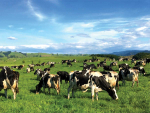
The first major update to the Dairy Cattle Code of Welfare in more than a decade has been released, marking what DairyNZ describes as an important step in ensuring animal welfare standards continue to evolve alongside scientific evidence and on-farm realities.
Have a plan in place for your cows and staff.
DairyNZ deputy chair Cameron Henderson has been re-appointed unopposed for another term.
OPINION: The stats speak for themselves.


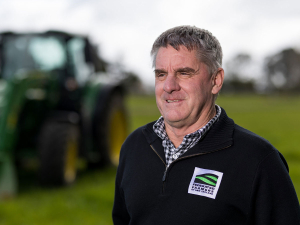
National’s pledge to introduce 19 new national standards shows the party is serious about getting Wellington out of farming, Federated Farmers says.
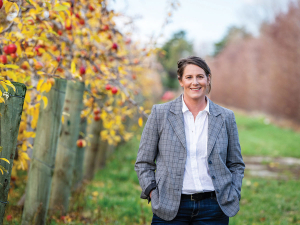
The National Party’s policies to make it easier to grow fresh vegetables, secure reliable water and energy and simplify farm planning are practical changes that will give growers the confidence to invest, according to Horticulture New Zealand (HortNZ).
Fonterra Co-operative Group chief financial officer Andrew Murray has resigned to take up a role outside the dairy giant.
A major move is about to get underway to improve the quality and viability of dairy beef and cattle in NZ.
Veterinarians say changes to the code of welfare for dairy cattle provides a positive foundation for improved cattle welfare across the country.
Today, 15 October, is the International Day of Rural Women, which recognises rural women’s contribution to farming, communities and the environment.