fbpx
Print this page
Monday, 08 April 2019 11:12

3D comes to farm

Written by  Mark Daniel

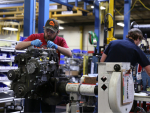
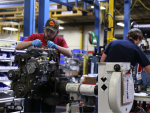
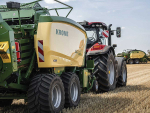
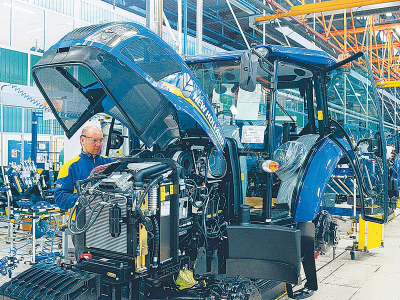
CNH Industrial has made its first 3-D printed spare parts, showing the farm machinery industry to be right up with emerging new technologies.

The company, whose brands include Case IH, New Holland and Steyr, says the process is “part of a continual drive to streamline manufacturing processes, increase productivity and find more sustainable ways of working”.

3-D printing makes components from a digital file to build up layers of material under control; each completed part is subject to stringent testing to ensure it meets the CNH Industrial specification.

Each ‘printed’ part is created in 24 - 36 hours with optimal use of raw materials -- in contrast to traditional manufacturing processes. 3-D printing causes less waste or surplus material and minimises machine downtime. 

Plastic is the manufacturing medium of the moment, but metallic parts are expected to emerge from testing.

A key benefit of 3-D is local, on-demand manufacturing of spare parts, leading to better stock management, particularly if small volumes of uncommon parts are required urgently.

More like this

Team effort to rebuild fences

Nine months after Cyclone Gabrielle struck, affected farmers are slowly getting back on their feet, and many have the CNH Industrial initiative ‘Commence the Re-Fence’ to thank for helping relieve some of the pain of the massive rebuild.

CNH buys GNSS

CNH Industrial has completed its purchase of the global satellite navigation technology leader Hemisphere GNSS (Hemisphere) for a total price of US$175 million, following on from the initial intention signalled earlier in the year.

Featured

Open Country opens butter plant

When American retail giant Cosco came to audit Open Country Dairy’s new butter plant at the Waharoa site and give the green light to supply their American stores, they allowed themselves a week for the exercise.

National lamb crop edges higher

New Zealand’s national lamb crop for the 2025–26 season is estimated at 19.66 million head, a lift of one percent (or 188,000 more lambs) on last season, according to Beef + Lamb New Zealand’s (B+LNZ) latest Lamb Crop report.

National

Machinery & Products