Milk Powder Prices Prop Up Farmgate Milk Price
Milk powder prices are keeping farmgate prices up, helping processors offset the dip in milk fat prices.
 increase font size
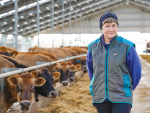
 Susan Kilsby.
Low morale and uncertainty in the dairy industry appear to be overshadowing the positive outlook for the sector.
The latest ANZ Agri Focus reports a huge range of positives for the sector, yet the bank’s agricultural economist, Susan Kilsby, says dairy farmer confidence is the lowest they have seen in more than 20 years.
The biggest thing impacting farmer confidence is the uncertainty about Government regulations on environmental legislation, she says.
“Also, costs are rising and farmers have high debt levels. Farmers have had long periods of interest-only lending but the banks are looking for principal repayments on loans.”
Kilsby says ANZ bank sees a positive outlook for the dairy sector and as a result has revised its payout forecast upwards by 15c to $7.15/kgMS. This is because the outlook for commodity prices is strong and the NZ$ is expected to remain low.
ANZ says the Fonterra payout for the 2019-20 season is in the range of $6.55 - $7.55 and Kilsby says while this seems plausible, the chances of this hitting the bottom end of the range is now looking unlikely. The bank says milk price futures for the 2020-21 season have gained more than 25 cents over the past month to trade above $6.50/kgMS. Farmers trading this contract are looking for a degree of certainty in their future income stream, the bank says.
Meanwhile the ANZ Agri Focus reports that global milk production remains subdued which will support better dairy commodity prices. ANZ says that while commodity prices have remained relatively stable in recent years they have not been high enough to encourage expansion in the big milk producing regions of Europe and the United States.
European milk production is up by only 0.4 of 1%, while US production is up by a “tiny point one of a percent”. Cow and heifer numbers in the US are also down.
The Australian dairy industry has been hit by ongoing droughts and water costs and this has hampered the viability of the key milk producing state Victoria.
Australia is now only a minor player in the international dairy market, says ANZ. Only about 25% of Australia’s milk supply is now exported, whereas 20 years ago almost half its milk was exported.
Overall ANZ says assuming global demand holds up the outlook for dairy products remains robust.
The bank says the NZ season is off to a strong start.
Milk powder prices are keeping farmgate prices up, helping processors offset the dip in milk fat prices.

Case IH has unveiled its redesigned next generation Puma Series tractors, said to offer improvements in connectivity, operator comfort, fuel efficiency and drivability.
Cameron Reed lives between two worlds.
A milk glut around the world shows no sign of easing, putting downward pressure on farmgate milk prices for the next few months.
The new dairy season is kicking off with plenty of risks to the forecast farmgate price, both upside and downside, says ANZ agricultural economist Matt Dilly.


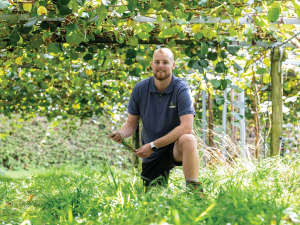
Twenty-eight emerging leaders from across the horticulture sector spent two days last month learning valuable skills and connecting with industry experts.

There are five entrants in this year’s Young Horticulturist of the Year, competing in a series of technical, practical, business and leadership challenges.
A seasoned horticulturist has been appointed to deliver the Apple Action Plan, a key initiative of the India-New Zealand Free Trade Agreement.
New Zealand's citrus growers have been told to compete on the value built into their fruit rather than the volume they grow.
Hawke's Bay fruit growers are being reminded of the need to prepare for whatever the El Niño weather system may bring in the coming months.
Three and a half years on from when Cyclone Gabrielle hit Hawke's Bay, some orchardists in the region are still receiving counselling to help them deal with the trauma they suffered.