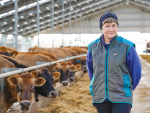
NZ Beef Mince Now Over $24/kg as Export Demand Stays Strong
New Zealand consumers are paying more for beef mince than ever before, with the average retail price now sitting above $24 per kilogram, according to Rabobank.
 increase font size
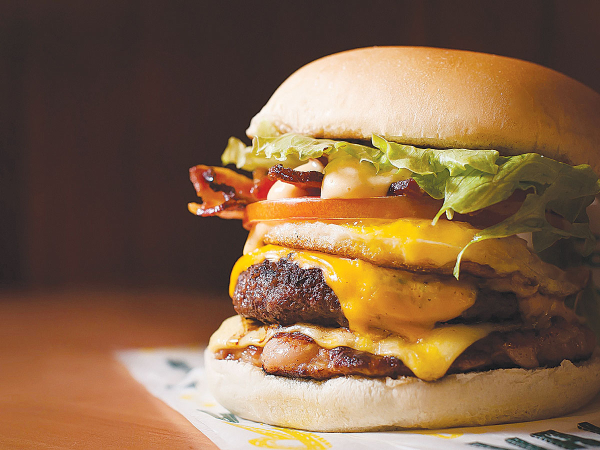 McDonald’s spent $235 million on domestic produce in 2024.
Feeding more than 1.5 million people a week takes more than quick service, it takes the ongoing work of New Zealand farmers and producers, according to McDonalds.
The fast-food trader’s annual New Zealand shopping list is out, offering a look at just how much local produce goes into the menu.
With 90% of ingredients sourced locally, McDonald’s spent $235 million on domestic produce in 2024, while a further $287 million of Kiwi ingredients was exported to McDonald’s restaurants around the world.
The company bought more than 6.5 million litres of milk, sourced from dairy farmers from all around NZ through Fonterra. Over 1,051 tonnes of cheese and other dairy products were produced by Fonterra for local restaurants.
“There are so many New Zealanders who come together to bring our menu to life,” says Kylie Freeland, managing director NZ and Pacific Islands.
“Our favourites are served in minutes, but each ingredient reflects months, even years, of local growing, farming, and careful preparation. It’s a story of dedication and collaboration long before the food reaches the tray.”
Kiwi produce is so good that Macca’s also exported over $287 million worth of local ingredients to McDonald’s markets worldwide. This included 265,600kg of cheese.
New Zealand consumers are paying more for beef mince than ever before, with the average retail price now sitting above $24 per kilogram, according to Rabobank.
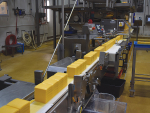
Fonterra's Eltham site in Taranaki is stepping up its global impact with an upgrade to its processed cheese production lines, boosting capacity to meet growing international demand.
OPINION: Recently I spent a couple of days on the Macca's site at Fieldays.
McDonald's says it spent $546 million with Kiwi producers in 2023.
Nearly $600 million worth of New Zealand primary sector ingredients were sourced for McDonald's domestic and global use last year.



LIC shareholders have elected a new North Island representative to the co-operative's Board, along with five representatives to its Shareholder Reference Group (SRG), following the company's Annual Meeting held in Invercargill.
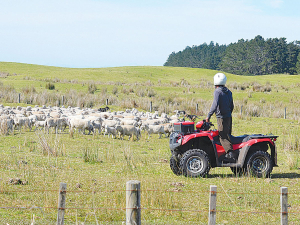
Farmers across parts of Southland and South Otago are continuing to deal with difficult conditions after a prolonged run of wet weather, with pressure building around feed supply, stock management, pasture damage, farm infrastructure and everyday workloads.
Federated Farmers says it welcomes Labour's commitment to reviewing the Sharemilking Agreements Act, calling on other major parties to do the same.
For Canterbury dairy farmers Sian Meijer and Rick Wobben, wearable technology has become one of their most valuable on-farm tools - helping manage 1850 cows across an expansive, high-performing dairy operation while improving efficiency, mating outcomes and day-to-day decision making.
Fonterra has unveiled its annual results for the 2026 financial year, posting $27 billion in revenue and close to $20 billion returned to New Zealand farmer owners and unit holders.
The first major update to the Dairy Cattle Code of Welfare in more than a decade has been released, marking what DairyNZ describes as an important step in ensuring animal welfare standards continue to evolve alongside scientific evidence and on-farm realities.