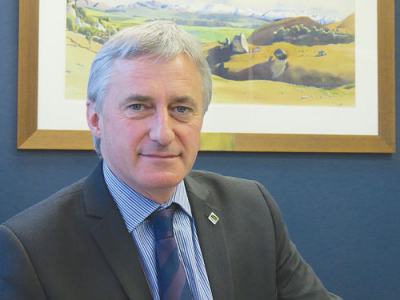
Federated Farmers previous president, William Rolleston, was very supportive of GE and there was a perception that Feds was leading the charge in support of the science — but this could now cost them.
An Environment Court judge has slammed Federated Farmers for pursuing a case regarding limitation on the use of GE in Northland.
When Northland Regional Council declared itself GMO-free Feds went to law and challenged this, but it has lost badly and could face a hefty legal bill for enthusiastically supporting GE.
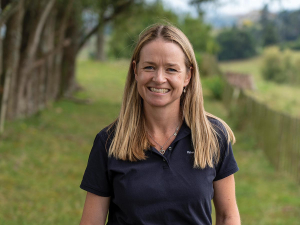
Meanwhile the Feds president, Katie Milne, says she’s taken aback by the fervour of the judge’s remarks and the issue of costs. The possible awarding of costs against a party in such an appeal is unusual, she says.
“No one likes decisions that go against them, but we did have a lot of people who supported our stance,” she says.
Katie Milne says Feds took the case because they believed it was wrong for local government to have a role in controlling the use of GMOs and that this should be left to central government. She believes local government doesn’t have the expertise to deal with the GMO issue.
She says the federation is looking to keep the door open to new technologies that could help farmers and she would like to hear a mature, unemotional conversation take place on such technologies.