The battle lines are being drawn on the National Party's recently announced agricultural policy.
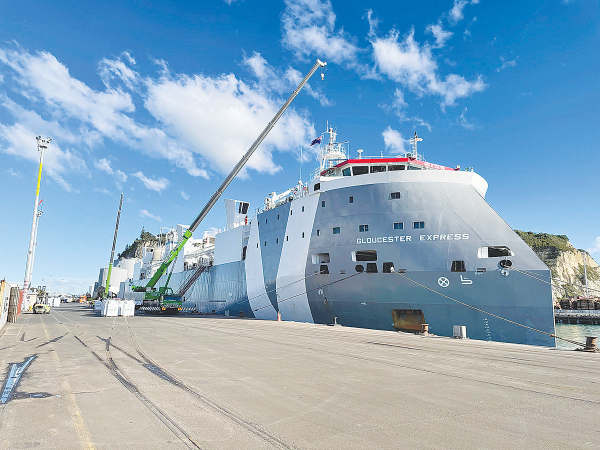
While 'Getting Back to Farming' has a strong focus on reducing regulations and replacing them with 'more practical ones', National's plans to reinstate live animal exports is winning a mixture of strong support and some unease. News that National would lift the ban on live exports came on the same day as the last shipment of live animals for the foreseeable future left NZ's shores due to Labour banning such exports.
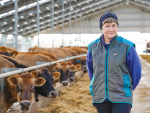
Federated Farmers president Andrew Hoggard is one of those to support National's policy. He personally thinks it's a good thing - especially if there is an excellent standard of care on the journey. He says, from what he's heard, this is usually the case and he points out the last disaster when a ship sank was, by all accounts, due to mechanical and human error.
Hoggard says even with live exports, it's still hard and frustrating for farmers to dispose of their bobby calves - especially in relation to getting killing space at freezing works.
"I haven't done bobbies for years, nor exported calves. I have always managed to get people to buy our surplus beef calves. But in the last few years the market has just crashed. Suddenly, if we are going to push through 200,000 extra calves without live exports, it could mean even lower prices for farmers," he says.
Hoggard says he's worried about the flow-on effect of not having live exports. He questions claims that live animal exports threaten NZ's export credentials and says, if there were any problems, that would be a reason for putting a ban in place. Hoggard says, based on that logic, you could make an argument that the same risk applies moving animals anywhere and he believes there needs to be a realistic approach applied.
"I haven't heard anything from overseas with people saying they are not going to buy anything from NZ because it has sent surplus heifers to China. It's possible the Chinese may not be that interested in buying our milk powder because we are not willing to help them with their dairy industry," he says.
Hoggard says sometimes he thinks that NZ makes up justifications for other countries to put trade barriers against us. He say we should be championing what we do, not coming up with excuses for other countries to put us down.