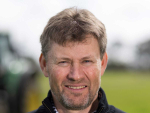
Mark Hooper Joins NZPork Board as Independent Director
Rural leader Mark Hooper has been appointed as an independent director to the NZPork board, bringing extensive farming, governance and advocacy experience to the role.
 increase font size
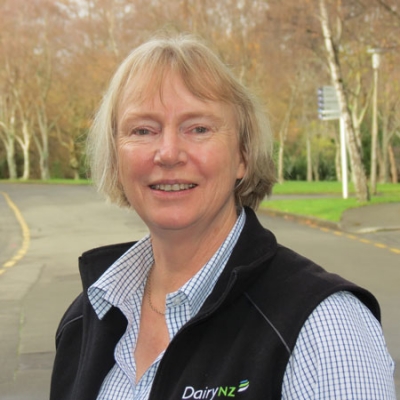 Nita Harding, DairyNZ.
Farmers need to take seriously the transportation of stock and be fully acquainted with the various animal welfare rules on this.
That’s the view of DairyNZ’s team leader for animal husbandry and welfare, Nita Harding. Her comments come as MPI investigates a recent well-publicised complaint about skinny cows on a Cook Strait ferry.
Harding says she knows of the complaint but not whether it is valid or not. But she says with cellphones everyone has a camera and “there is nowhere to hide”.
She says farmers transporting stock cannot just call up a truck and load animals onto it.
“Farmers need to think about what animals they’re putting in the truck and what condition they’re in. There’s a whole process farmers should be working through in selecting animals for transport; they shouldn’t delegate that job to a junior staff member. General guidelines [require taking account of] the mode of conveyance, duration of the journey, health of the animals, their age, body condition, physiological state and any particular stress to which the animals might be exposed.”
Rural leader Mark Hooper has been appointed as an independent director to the NZPork board, bringing extensive farming, governance and advocacy experience to the role.
Climate, nature and animal wellbeing make up Fonterra's refreshed sustainability roadmap released last week.
B+LNZ's Wormwise veterinarian Mary Bowron has won the Best Sheep and Beef Vet of the Year Award in recognition of her outstanding contribution to New Zealand’s sheep and beef sector.
With lambing underway in many regions, Beef + Lamb New Zealand is encouraging farmers to put together a wellequipped lambing kit to help minimise lamb losses, particularly in bad weather.
Testing confirms H5 bird flu in a single northern giant petrel, found dead on a remote Cape Palliser beach in the Wairarapa, says Dr Mary van Andel, the Ministry for Primary Industries' (MPI) Chief Veterinary Officer.



Almond hulls sourced from Australian orchards may have the potential to help New Zealand cows reduce emissions, boost milk yield and lower input costs.

Striking a balance between meeting the needs of industry to speed up approval time for products but on the other hand ensuring that risks are properly assessed.
Surprised, humbled and quite thrilled. That’s the reaction of James Allen, one of the founding partners and now chief executive of AgFirst, on being made a life member of the Institute of Rural Professionals.
It was billed as a chance for all the political parties to woo the rural vote, but question marks hang over just how effective this was.
Minister of Conservation Hon Tama Potaka has appointed Susan O'Regan as Chair of the Queen Elizabeth II National Trust (QEII) for a three-year term.
Red meat farmers are welcoming Labour’s plan to review the Emissions Trading Scheme and not to campaign on pricing agricultural emissions.