VatGuard: The Kiwi-Made Fix for Milk Vat Contamination
The greatest nightmare for any dairy farmer is the fear of contaminating the milk vat, either with milk from a treated animal or water from the wash cycle.
 increase font size
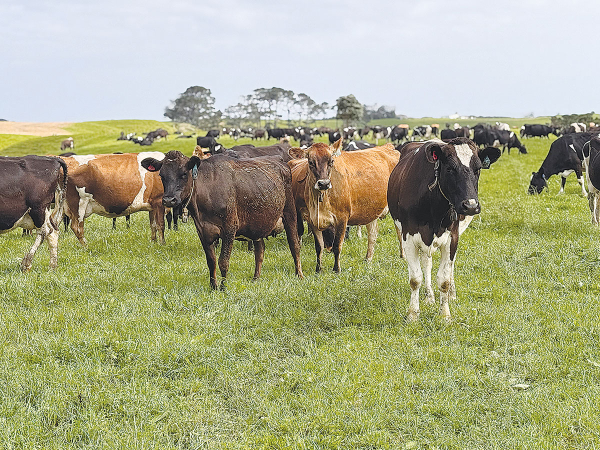 Simon Butler, Seales Winslow nutrition extension specialist, says stock management can help milk flows and SCC levels.
As spring calving farmers around the country enter in the final stage of lactation, the incentive to keep the milk flowing is certainly there. A strong milk price and kind first half of the season has left cows in good nick and milking well.
Typically, during the warmer months low soil moisture levels and resulting issues with supply and quality of pasture can be a hurdle. Combined with the lack of advance payments from Fonterra, maintaining milk flows to cover costs, while building cow condition becomes a demanding yet rewarding exercise in animal management and nutrition.
Farm inputs can seem costly, but they’re an investment in your herd’s productivity. With a targeted and informed approach, the right management and inputs can support cashflows while setting up your herd for next year.
Stock Management Priorities
Sustain milk flows and protect SCC levels
Maintain cow condition to maximise days in milk - ensure optimal calving condition for next season.
Support growth rates of young stock with consistent feed quality and supply
A balanced diet is essential to keep cows milking well, prevent rising somatic cell counts, and maintain milk quality. Keeping cows in good condition allows for extended milking without over-relying on the dry period, which, if rushed, can lead to metabolic issues.
Days in milk are a major driver of profitability, so addressing cow condition early ensures they are prepared to milk late into the season.
This is also a critical time for next year’s heifers and younger stock, as they face similar nutritional and environmental challenges. By applying the same strategies below, growth rates can be maintained during this period, supporting their first-lactation production potential. A little extra care now can make a significant difference.
Feeding strategies to fill the gap
Manage feed supply - summer dry and heat affect grass quantity and quality
Use supplements and crops to complement pasture and address limitations – protein, fibre, energy, dry matter, minerals
Summer pasture is higher in neutral detergent fibre (NDF) and typically lacking in metabolisable energy (ME) and crude protein (CP). Depending on location and infrastructure, declining pasture quality can be managed with topping, irrigation and fertiliser. However, many farmers rely on summer safe cropping and feeding supplements - both home-grown and imported - to bridge the gap between cow requirements and what pasture provides.
When introducing feeds to a dairy cow diet it’s important to understand the nutritional composition of each, and make sure the cow is having its energy, protein and fibre needs met.
Higher NDF pasture is less palatable, harder for the cow to eat, and takes up more room in the rumen than lush feeds. This can limit dry matter intakes and, subsequently, ME and CP supply.
Milk production demands significant energy and protein, but excess energy is needed to lay down fat stores. To support production and build condition, focus on maintaining dry matter intake. Summer crops, silage, and concentrates can supply the energy and dry matter cows need when pasture falls short.
Summer crops like chicory and turnips are great for balancing protein shortfalls in pasture and keeping your milk curve on track. If you’re using concentrates, you can fine-tune the mix in the shed or feed pad to target specific nutritional gaps, helping your herd stay healthy and perform at their best.
 |
|---|
|
Simon Butler |
Managing Environmental Challenges
Mitigate heat stress, which can affect intakes and diet quality
Prevent Mycotoxin risks – humidity and heat can affect intakes and feed palatability and quality
Stay vigilant for Facial Eczema
As if changing pasture composition and challenging weather conditions weren’t enough, our animals have heat stress and toxin loading issues to deal with too.
Heat stress can have a big impact on cow performance, starting at surprisingly low temperatures and compounded by the heat generated from fibre fermentation in the rumen. Stressed cows tend to avoid fibrous feeds, opting for lush grass, crops, or meal if it’s available. Less fibre means less rumination and saliva, which raises the risk of Sub-Acute Ruminal Acidosis (SARA). If left unchecked, this can impair rumen function, reduce feed efficiency, and even lead to Acute Acidosis, which can be fatal.
Preventing heat stress is crucial. Bringing cows inside during the hottest part of the day, shifting milking times to avoid peak heat, and using shady paddocks can make a big difference. Feed additives like ionophores and yeasts can also help by lowering rumen heat production and supporting fibre intake.
Warm, humid weather and poorly managed feed create perfect conditions for mould and fungus, leading to mycotoxins in the diet. These toxins can reduce feed intake, impact milk quality, and cause issues like Facial Eczema. Good pasture management reduces spore exposure, while zinc supplementation and mycotoxin binders help protect the herd.
Both heat stress and mycotoxins put unnecessary strain on your cows, cutting into milk production and making it harder to build condition. Taking a proactive approach is key to keeping your herd healthy and productive.
Simon Butler is a Nutrition Extension Specialist for SealesWinslow
*This article first appeared in Getting the Basics Right 2025 edition.
The greatest nightmare for any dairy farmer is the fear of contaminating the milk vat, either with milk from a treated animal or water from the wash cycle.

With a third of NZ dairy farmers still running outdated refrigerants, the country's largest farm refrigeration company says the opportunity for quick, meaningful emissions gains has never been clearer.
Farmers are being encouraged to take a closer look at the refrigerants running inside their on-farm systems, as international and domestic pressure continues to build on high global warming potential (GWP) 400-series refrigerants.
Bovonic says a return on investment study has found its automated mastitis detection technology, QuadSense, is delivering financial, labour, and animal-health benefits on New Zealand dairy farms worth an estimated $29,547 per season.
Autumn calves are born in kinder conditions than what their spring cousins enjoy. But it takes a careful nutrition regime and a close eye on growth targets to capitalise on the opportunity nature, through pasture, offers this time of year.


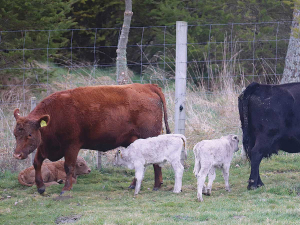
A major move is about to get underway to improve the quality and viability of dairy beef and cattle in NZ.
Veterinarians say changes to the code of welfare for dairy cattle provides a positive foundation for improved cattle welfare across the country.
Today, 15 October, is the International Day of Rural Women, which recognises rural women’s contribution to farming, communities and the environment.
Global dairy giant Lactalis has integrated its Australian operations with the Mainland Dairy consumer business it acquired from Fonterra earlier this year.
After almost two decades of sharemilking, saving and building equity, Aaron and Marcia Flay this year realised their long-held dream of settling on their first dairy farm.
Good medium to long term prospects for NZ beef, especially in the US, has heighted the focus on various initiatives to capitalise on this situation.