How Trace Minerals Support Dairy Cow Recovery Pre-Mating
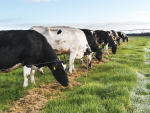
By September, pre-mating heat recording is underway on many spring-calving dairy farms.
 increase font size
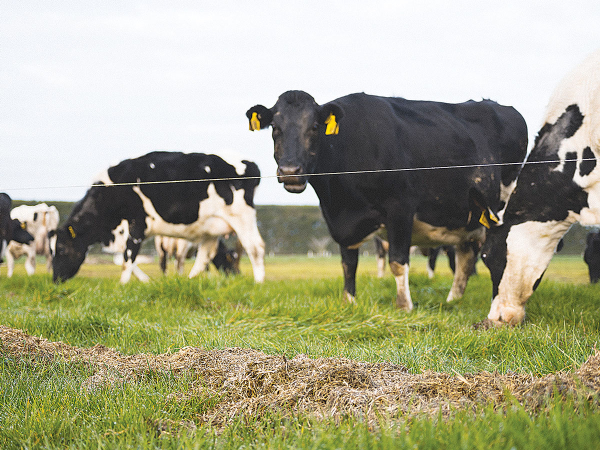 The three weeks before and after calving will set up the cow’s reproductive system for the whole season.
By September, most herds are already calved and are heading towards mating. The window to influence pre-calving minerals has passed, and decisions made in the transition period are only just becoming obvious.
How well the cows cycle, express heats, and conceive this spring is a direct reflection of the mineral balance they received during the allimportant transition period.
Watching for and understanding those signals now can help farmers improve outcomes for the rest of this season and build a better plan for next year.
Why transition still matters now
The three weeks before and after calving will set up the cow’s reproductive system for the whole season. Mineral imbalances in that window, even when clinical milk fever and ketosis may not have been evident, can lead to silent heats, delayed cycling, or low submission rates months later.
By the time mating starts, those imbalances can’t be completely undone. But they can be measured, managed, and used to improve both current and future mating performance.
What to look for in the herd
1. Heat expression
Weak or silent heats can indicate trace element imbalances, particularly copper and selenium, which influence hormone production and uterine repair. If heat activity seems low despite good energy levels, it’s worth checking mineral status.
2. Cycling patterns
Delayed cycling, cows not showing heats by the planned start of mating, often stems from mineral- related disruptions to ovarian function. These cows often look healthy, but are hormonally behind.
3. Retention of late-calvers
Cows calving late are already under pressure to get back in-calf. Any mineral issues from transition can compound that challenge. Tracking latecalvers’ heat activity can help flag if minerals were part of the problem.
Checking mineral status now
Blood tests taken in early lactation that assess both mineral status and liver function enzymes can show whether transition minerals have been adequately dosed. While this won’t change what’s already happened pre-calving, it does two things: Firstly, it guides supplementation during mating, i.e., correcting copper or selenium levels to support conception now, and secondly, it informs next year’s dry cow and transition plan, avoiding the same gaps repeating.
Pasture and feed tests are useful, but they don’t always reflect what cows absorbed. Liver testing gives the clearest picture of trace element reserves heading into mating.
Managing reproduction for the rest of this season
While pre-calving minerals can’t be changed at that late stage, there’s still value in supporting cows through mating:
Targeted trace elements: If testing shows low levels, supplementing during mating can help improve conception rates later.
Body condition checks: Thin cows take longer to cycle. Although minerals won’t fix this, knowing which cows are behind helps prioritise management.
Focus on heat detection: Heats can be harder to spot when expression is weak. Supplementing with key trace elements such as iodine and selenium supports increased thyroid hormone production, which in turn stimulates better liver function, leading to stronger heats and better conception.
Learning for next season
The biggest gain from monitoring now is in planning ahead. If low heat expression or late cycling is widespread, it’s a signal that transition nutrition, especially minerals, needs reviewing.
Questions to ask:
Answering these helps build a more accurate mineral plan for the next dry period, reducing the risk of repeat issues.
Why it pays to act on the signals
Poor reproduction is expensive, with more empties, late-calvers, and replacements to rear. Earlier conceptions tighten the calving pattern, boost days in milk, and reduce workload. Fixing mineral gaps doesn’t just avoid metabolic disease, it also improves fertility and herd longevity.
For many farms, even a modest lift in first-round in-calf rates translates to significant gains in milk and fewer headaches at mating time.
This spring, watch how cows are cycling. Weak heats or slow returns aren’t just bad luck; they’re a message from last season’s mineral management. The sooner that message is understood, the better decisions can be made for the season ahead.
Chris Balemi is founder of Agvance
By September, pre-mating heat recording is underway on many spring-calving dairy farms.
There's a common assumption that effective transition cow management is only practical for high-input farms, as controlled rations can make delivery simpler.
When a cow goes down after calving, it is easy to blame the calving itself. Milk fever, calving stress, poor weather, bad luck. Yet many down cows are not caused by one dramatic event. They are the end result of poorly transitioned cows entering calving under nutritional pressure.
The dry period isn’t just a farm holiday but a chance to get your herd match-fit for calving and early lactation. If you treat it as a focused phase of preparation, recovery and capacity building, you’ll see the benefits when the cows return to milk.
March often brings a useful mix of opportunity and risk on New Zealand dairy farms.


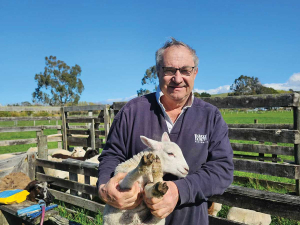
Decades piloting planes has ensured vet and farmer David Hayes is focused on safety. So, after a serious accident while welding on farm, he is sharing his experience so others can learn from it.

Canterbury milk processor, Synlait Milk has confirmed Leon Fung as its chief executive officer.
OPINION: Making it easier to collect rainwater and use it to grow crops and livestock is a no brainer.
As part of its Election 2026 coverage, Rural News asked political parties how they would help pull the arable sector out of the doldrums. Here's what they said:
Farmers are being encouraged to rethink how they manage waste on farm with the launch of ruralwastesorted.co.nz, a new website bringing together practical tips, real farmer experiences and resources.
New Zealand Winegrowers (NZW) is celebrating the India-New Zealand Free Trade Agreement (FTA) coming into force today, bringing New Zealand wine improved access to one of the world’s fastest-growing economies.