McRae Wins Southern South Island B+LNZ Director Vote
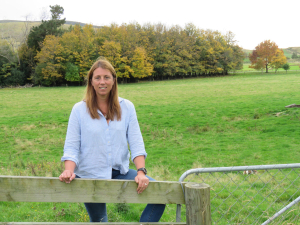
Matt McRae, a farmer from Mokoreta in Southland who runs a sheep, beef and dairy support business alongside a sheep stud, has been elected to the Beef +Lamb NZ Board as a farmer director.
 increase font size
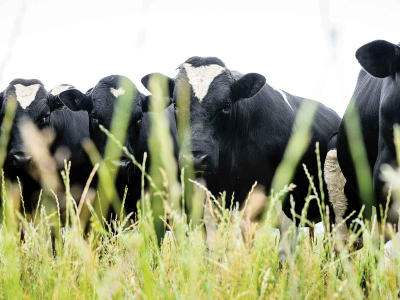 Dairy-friendly beef bull options are available to farmers.
The latest results from the Beef + Lamb New Zealand (B+LNZ) Genetics dairy beef progeny test are signalling good prospects for dairy farmers.
B+LNZ says the test results show “excellent dairy-friendly beef bull options are available to dairy farmers, and dollars to be made”.
Since 2016, 86 bulls have been progeny tested. The bulls are suited to mating with dairy cows – based on their birth weight and gestation length – and they produce calves suitable for beef finishing.
Research lead associate professor Rebecca Hickson says that, of all of the bulls assessed to date, there was a 56kg difference between the best and worst bull for yearling weight. “At $3/kg liveweight that translates to a $168 difference per head.”
On birth weight and calving ease, B+LNZ says the results reveal many low-birthweight beef bulls produce calves similar to, or lighter than, calves produced by an average Friesian bull, when bred over crossbred cows.
On gestation length and days in milk, B+LNZ says bull selection has a big impact on gestation length and therefore days in milk. The average gestation length EBV of the progeny test bulls was 281 days – slightly better than the dairy breed average of 282 days.
Here is how dairy farmers can use the results: the five bulls identified above are the sires that tick all the boxes – low birth weight, short gestation and good growth. Other bulls were strong in particular traits, but the listed bulls excelled in all traits.
Says Hickson: “These five bulls in particular offer great value to dairy farmers and finishers.”
From a big picture perspective, the test reinforces that dairy farmers can be confident that beef EBVs reliably predict performance in a dairy beef system.
“Selecting bulls on EBV allows dairy farmers to make informed decisions on bull choice within a breed,” says Hickson.
The full sire list can be found at blnzgenetics.com
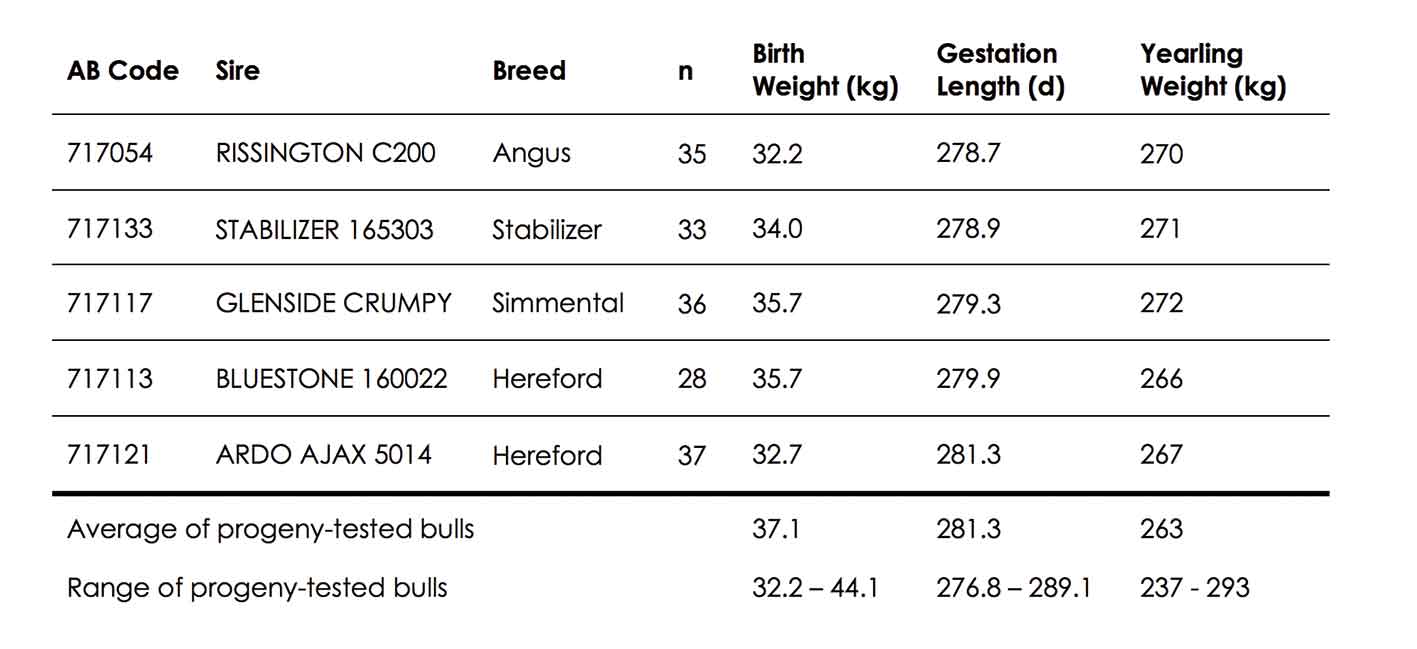
Calves were weighed up to 10 months of age, so the table’s ‘yearling’ weight is actually two months shy of yearling.
Matt McRae, a farmer from Mokoreta in Southland who runs a sheep, beef and dairy support business alongside a sheep stud, has been elected to the Beef +Lamb NZ Board as a farmer director.
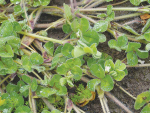
Recent widespread autumn rain will have triggered the germination of subterranean clover seeds, and the resulting seedlings should be allowed to reach the 3–4 trifoliate leaf stage before grazing, says Beef+Lamb NZ.
A hub farm in each of Beef + Lamb NZ’s seven regions and more focus groups are being rolled out for the red meat sector this year.
The red meat sector is poised for a strong rebound this season, with export receipts forecast to top $10 billion and farm profitability to almost double.
Progeny testing at Pāmu’s Kepler farm in Southland as part of Beef + Lamb New Zealand’s Informing New Zealand Beef programme is showing that the benefits of hybrid vigour could have a massive impact on the future of beef breeding.

Farmgate lamb prices are down by 8%, beef cattle by 4.5% and farm expenditure up by 4.2%.
Kiwifruit growers are watchful but remain optimistic as concerns around the potential effects of the El Niño weather pattern this season.
Almond hulls sourced from Australian orchards may have the potential to help New Zealand cows reduce emissions, boost milk yield and lower input costs.
Striking a balance between meeting the needs of industry to speed up approval time for products but on the other hand ensuring that risks are properly assessed.
Surprised, humbled and quite thrilled. That’s the reaction of James Allen, one of the founding partners and now chief executive of AgFirst, on being made a life member of the Institute of Rural Professionals.