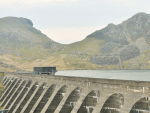
Editorial: Making Water Storage Easy
OPINION: Making it easier to collect rainwater and use it to grow crops and livestock is a no brainer.



 increase font size
 Regional Economic Development Minister Shane Jones.
The Government is investing a further $37.5 million into water security for Northland.
Deputy PM Winston Peters and Regional Economic Development Minister Shane Jones today announced the new funding and the location of a new water storage site.
The new funding follows a Government announcement in April that up to $30 million would be provided through the Provincial Growth Fund for Far North, Mid-North and Kaipara to investigate potential water storage sites in the regions.
A water storage site has now been chosen in Ngawha after months of technical assessment. Construction on the site could begin in September, earlier than the initial aim of this summer.
Both Ministers say they hoped work would begin earlier than initially announced if the project could be fast-tracked through new Resource Management Act provisions developed by Environment Minister David Parker following COVID-19.
“An earlier start to construction would mean more work sooner for contractors and businesses in the region at a time when Northland is suffering through the fallout from the COVID-19 pandemic,” says Peters.
“Bringing the start date forward by months would also mean an earlier finish date, and earlier access to a secure and reliable water supply for a region that has been hit hard by drought.”
Jones says the additional funding of $37.5m from the Provincial Growth Fund (PGF) will be used to accelerate and expand the delivery of the Northland water storage programme as part of the Government’s COVID-19 response.
“We recognise the value of providing more upfront investment to get these projects moving ahead and lift regional productivity significantly in a much shorter time frame,” says Jones.
“It also provides a visible vote of confidence in the Government’s intention to back its regions.”
OPINION: Making it easier to collect rainwater and use it to grow crops and livestock is a no brainer.

The Government is backing work on a community-led water storage scheme that could irrigate up to 11,000 more hectares of the Poverty Bay flats, Agriculture Minister Todd McClay says.
OPINION: Rivers never sit still. They start as snowmelt and rain in the high country, pick up a creek here and a stream there, and carry all of it down to where it's needed.
OPINION: Get offside with New Zealand First leader Winston Peters at your own peril.
There's been widespread support from the primary sector for the Government's announcement on changes to freshwater farm plans that come under the Natural Environment Bill, which is now set to replace the existing RMA.


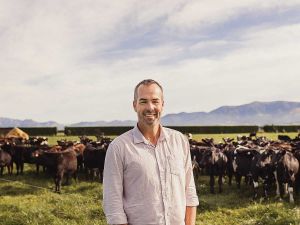
For Canterbury dairy farmer Cameron Henderson, supporting Meet the Need comes down to a simple question: how can the success of New Zealand farming benefit more than just those within the industry?
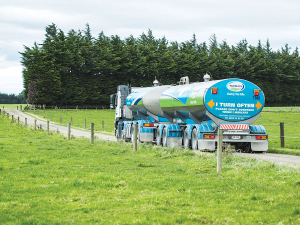
Fonterra board members are in line for a pay rise of around 3%.
Dairy processors are ready to further boost New Zealand’s export earnings but want the incoming government to match their ambition with good policy.
Massey University is best placed to solve the “problems” facing the dairy industry, says vice chancellor, Pierre Venter.
Synlait's longest serving employee – a man who joined the Canterbury-based milk processor even before it began processing milk – is now its newest executive.
A dairy industry leader believes eradicating the common and costly disease, Bovine Viral Diarrhoea (BVD) is within reach.




