While opposition politicians and unions – often one and the same thing – keep saying the Government is letting farmers off the hook, practising farmers know different.
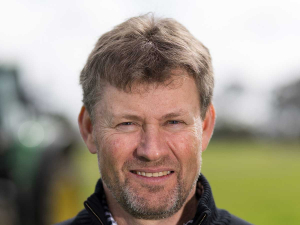
As Crowe Horwath agri-health and safety expert Melissa Vining says, it is time to dispel the myth that farmers have been given a green light to ignore health and safety.
The notion of high and low risk sectors has gained all the media attention, with farming sectors such as sheep, beef and dairy being classified as low risk.
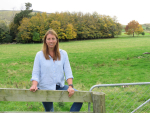
All this now means is that most farms will not need to appoint a health and safety representative. This is a sensible and practical move – unless you are a unionist or a Labour MP. As Beef + Lamb New Zealand chairman James Parsons says, the vast majority of NZ sheep and beef farms average fewer than two full time employees per farm.
“Not classifying farms as high risk doesn’t exempt farm businesses from any liability under the Health and Safety Reform Bill,” Parsons explains. “But the amendment recognises some basic practicalities of implementing the legislation on farms.”
Meanwhile, Vining cautions people not to let the silliness of worm farming and cat breeding being deemed high risk distract from the real issues of health and safety addressed by the bill.
As someone who works daily with farmers, Vining, and many others, has been disappointed by the attitude portrayed in the coverage of the issue.
A key element of the bill is to develop an effective working relationship between all parties – persons conducting a business or undertaking (PCBUs), officers and workers – and lower the rate of workplace accidents. This is regardless of whether or not there is an appointed worker’s health and safety representative.
Along with existing requirements several key changes proposed will affect farmers.
The workplace has been redefined as the area where you are working or where work usually happens, rather than the whole farm.
All PCBUs will be required to engage with their workers on matters of health and safety that affect them.
All PCBUs are required to consult with other PCBUs doing work on their farm to identify potential hazards / risks and how they will be addressed.
That certainly doesn’t look or feel like farmers have been let off the hook in regards to health and safety.