Federated Farmers Praises Labour's Emissions Tax Backdown
For the first time in a quarter of a century, Federated Farmers has something positive to say about the Labour Party’s climate change policy leading into a general election.
 increase font size
OPINION: A press release from the oxygen thieves running the hot air symposium on climate change, known as COP30, grabbed your old mate’s attention.
‘Climate Doom Loop’ sounded ominous.
Turns out it’s more than a bit revealing of the true agenda behind many of the lanyard-wearers who racked up the airpoints to attend COP30 – they are rabid opponents of livestock farming, trying to implicate farmers in the death of their own livestock: “Millions of farmed animals are killed each year by floods, storms and heatwaves driven by climate change, yet the very system they are reared in is making the situation worse”, they said, followed by a quote that reveals their true agenda: “Governments must take urgent action to reduce emissions and livestock production as well as meat consumption in richer countries”.
For the first time in a quarter of a century, Federated Farmers has something positive to say about the Labour Party’s climate change policy leading into a general election.
Climate, nature and animal wellbeing make up Fonterra's refreshed sustainability roadmap released last week.
A five-year study has found that the cost of reducing emissions without technology may be significant and unsustainable for Northland dairy farmers.
OPINION: With the winter months officially here, I trust all is well at your place.
OPINION: The global crusade against fossil fuel is gaining momentum in some regions.


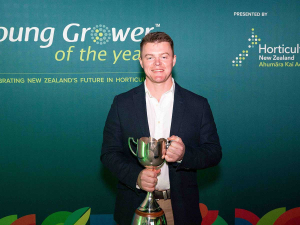
The potato industry is celebrating the success of two rising stars - James Blair, the 2026 Young Grower of the Year and runner-up and innovation award winner, Amber Davy.
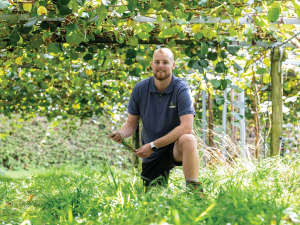
Twenty-eight emerging leaders from across the horticulture sector spent two days last month learning valuable skills and connecting with industry experts.
There are five entrants in this year’s Young Horticulturist of the Year, competing in a series of technical, practical, business and leadership challenges.
A seasoned horticulturist has been appointed to deliver the Apple Action Plan, a key initiative of the India-New Zealand Free Trade Agreement.
New Zealand's citrus growers have been told to compete on the value built into their fruit rather than the volume they grow.
Hawke's Bay fruit growers are being reminded of the need to prepare for whatever the El Niño weather system may bring in the coming months.