NZ Rural Land Company Lifts Annual Profit in 2025
New Zealand Rural Land Company (NZL) has lifted its annual profit on the back of being a "disciplined, yield-focused land vehicle", the company says.
 increase font size
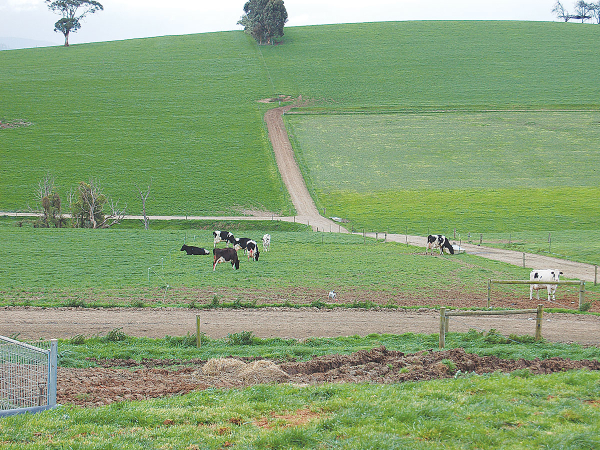 LPV allows investing in land without being a landlord.
OPINION: New Zealanders have a love affair with property investment. After securing a family home, buying a rental property is traditionally seen as a safe way to build wealth over the long term.
However, the increasing regulatory complexities of being a landlord, recent high interest rates, and softening house prices have encouraged investors with a passion for property to consider an alternative: a Listed Property Vehicle (LPV) – also known overseas as a Real Estate Investment Trust.
LPVs deploy investors’ funds to finance the purchase and ownership of various classes of commercial property. They provide a way for investors to gain a stake in large-scale, income-producing real estate assets without having to buy, manage, or finance these properties directly. Typically, they deliver regular income in the form of dividends.
In contrast to privately held commercial real estate investments, listed LPVs provide investors the ability to buy or sell shares based on readily available information and transparent valuations.
New Zealand Rural Land Co (NZL) is a LPV – investing specifically in New Zealand agricultural, horticultural, and forestry land.
While some LPVs also operate and maintain their property investments, NZL owns only the land. We reduce investors’ exposure to operational risks by leasing our properties to tenants under triple net leases.
Triple net leases are a type of commercial lease arrangement where the tenant is responsible for paying not only the base rent but also the property’s operating expenses, including property taxes, insurance, and maintenance costs. Triple net leases often include inflationary clauses so they can be adjusted on a regular basis to reflect consumer price index (CPI) movements.
All of NZL’s leases have annual to three-year lease terms that increase at the rate of inflation.
We partner with our tenants to issue leases from 10-20 years in length, and we ladder our portfolio lease maturities such that at any given point in time, our weighted average lease term (WALT) is about 12 years.
NZL’s 17,457 hectares of rural land (255 of which is owned by specialist private markets investment manager Roc Partners) are spread across a range of diverse properties and tenants. Our strategy of growing our portfolio across agriculture, horticulture and forestry assets is designed to deliver attractive risk-adjusted shareholder returns through asset value appreciation and cashflow from long-term leases.
A high-interest rate environment typically results in lower valuations and profitability for the property sector, and LPVs.
However, a fixation on the impact of interest rates – in the case of NZL – is misplaced.
Our regular CPIadjusted lease reviews mean higher inflation results in higher than anticipated rental growth. NZL has received CPI adjusted rental payments from all 18 properties due for review by mid-2024.
CPI for the three years ending mid- 2024 was +18.6% and represents a period of strong inflationary pressures. NZL’s dairy leases undergo CPI review every three years, while horticultural and forestry leases undergo CPI annual review.
In summary, investment in NZL - a listed LPV with triple net leases and a diversified portfolio – offers property investors yields cushioned from inflationary impacts, and asset value appreciation over the long term, without the obligations and risks that go with being a landlord.
Richard Milsom is director, New Zealand Rural Land Management
New Zealand Rural Land Company (NZL) has lifted its annual profit on the back of being a "disciplined, yield-focused land vehicle", the company says.
New Zealand Rural Land Company (NZL) has completed the acquisition of a forestry estate located in the Manawatu-Whanganui region.
Mount Cook Station has been sold to a local couple who intend to farm it themselves.
Fonterra is is offering up to $150 million of senior fixed rate bonds to institutional investors and to New Zealand retail investors.
The dairy is a significant investment and can have a major impact on milking efficiency and the comfort of cows and milkers.


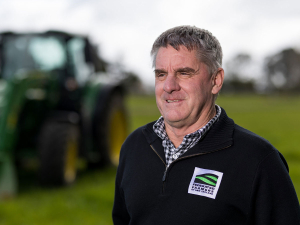
National’s pledge to introduce 19 new national standards shows the party is serious about getting Wellington out of farming, Federated Farmers says.
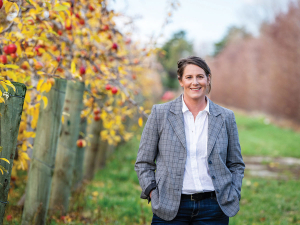
The National Party’s policies to make it easier to grow fresh vegetables, secure reliable water and energy and simplify farm planning are practical changes that will give growers the confidence to invest, according to Horticulture New Zealand (HortNZ).
Fonterra Co-operative Group chief financial officer Andrew Murray has resigned to take up a role outside the dairy giant.
A major move is about to get underway to improve the quality and viability of dairy beef and cattle in NZ.
Veterinarians say changes to the code of welfare for dairy cattle provides a positive foundation for improved cattle welfare across the country.
Today, 15 October, is the International Day of Rural Women, which recognises rural women’s contribution to farming, communities and the environment.