Farm Safety Improves Through 'Incremental Gain', Says Birkett
Improving health and safety is about incremental gain rather than a sudden decision, says Leeston farmer and Federated Farmers health and safety spokesman David Birkett.
 increase font size
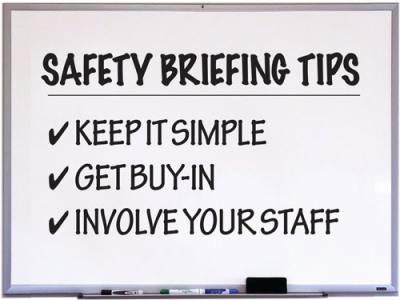 Keep it simple: clearly communicate risks to staff, involve your team and form a clear list together. It’s not about table-thumping meetings and reams of paper.
Onfarm injuries are at their highest in the beginning of spring — here's how you can prevent them.
Onfarm injuries cover a broad spectrum, from being crushed or bitten by animals, being trapped by stationary or moving objects or even hurt by explosions. Add to that, the second highest incidences of falls on the same level and muscular strains, this time of year is a dangerous time.
For any business, having staff away injured or sick at such a busy time, is likely to have a serious effect on productivity, while also increasing the likelihood of more stress on owners or workers as their workload increases to cover absentees.
Like all employers, farmers have a responsibility for their workers health and safety, and as part of that responsibility, should ensure that employees are actively involved in health and safety planning. Its important to understand that involving staff in H&S decisions for numerous reasons. Firstly, it helps address a wider range of issues that need addressing, more chance of evolving practical solutions, but importantly, achieving more engagement from teams and individuals.
Human nature is such, that people like working in places that value their opinions, and more so, for those businesses that actively try to look after their health and wellbeing. This perception also leads to the likelihood that staff are retained for longer, that itself means the business benefits from those employees’ experience and greater knowledge of the operation.
Getting workers to “buy into” safe practice needs to be kept simple-it shouldn’t be about table thumping meetings or reams of paper, as much more can be achieved at an informal morning “Smoko” with coffee and sausage rolls, although the waistlines may be in some danger. In real terms, the issue is about identifying and discussing the risks on your farm and how to manage them, because after all, there are no better people to know the farm, and manage those risks?
Farmers also need to be mindful that safety-related conversations don’t just happen at the start of the season, but become an ongoing topic, mindful that risks may change, maybe because of weather, the arrival of new plant or machinery, or even changing ground conditions. Farmers and their managers should strive to create a culture where workers aren’t afraid to speak up for fear of being shouted down or ridiculed when raising their concerns. Encourage everyone to report “near misses” and discuss solutions in a positive manner so the same things don’t happen again.
Think about investing in a whiteboard or if you’re on a budget, an old white shower lining for the Meeting Room or centralised area, so everyone can put up or list items of concern, and any near misses for discussion. It can also be used to list changing risks, but importantly it helps to reinforce a positive safety “buy-in”. Think about taking things further by producing a Farm Hazard Map, that is populated following a farm walk with staff, and useful to hand to farm visitors such as contractors.
Also make sure to give workers the power to identify risks, that might cause serious injury or death, while also encouraging them to confront any co-workers or visitors who they believe are at risk or aren’t abiding by the farm safety plan. But most of all, lead by example, by taking the lead in risk planning, opening up about your own “near misses”.
• Keep Safe-Keep Farming at www.worksafe.govt.nz
Improving health and safety is about incremental gain rather than a sudden decision, says Leeston farmer and Federated Farmers health and safety spokesman David Birkett.
A safety push across New Zealand has revealed significant gaps in hazardous substances management, farm vehicles, tractors, quad bikes and side-by-sides.
Decisions you make in an instant on the farm can be the difference between life and death.
Keeping healthy and safe during vintage 2026
Following a side-by-side rolling into a gully, Safer Farms has issued a new Safety Alert.


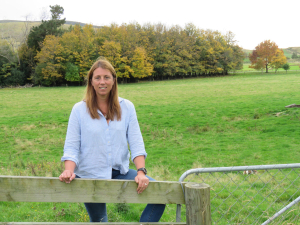
Farmgate lamb prices are down by 8%, beef cattle by 4.5% and farm expenditure up by 4.2%.
Kiwifruit growers are watchful but remain optimistic as concerns around the potential effects of the El Niño weather pattern this season.
Almond hulls sourced from Australian orchards may have the potential to help New Zealand cows reduce emissions, boost milk yield and lower input costs.
Striking a balance between meeting the needs of industry to speed up approval time for products but on the other hand ensuring that risks are properly assessed.
Surprised, humbled and quite thrilled. That’s the reaction of James Allen, one of the founding partners and now chief executive of AgFirst, on being made a life member of the Institute of Rural Professionals.