Lanaco and Blueair Launch World-First NZ Wool Air Filter
New Zealand wool is reaching new heights as air filtration companies move away from synthetic products to biodegradable alternatives.
 increase font size
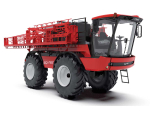
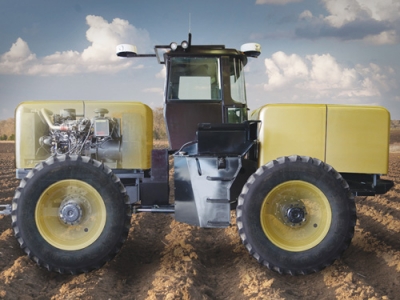 Autonomous tractors may just be coming to a paddock near you.
As AUDI, BMW, Ford and even Google talk about driverless cars in the next five years, a North Dakota company is marketing the idea for agriculture.
Autonomous tractors may just be coming to a paddock near you.
The Autonomous Tractor Corporation recently demonstrated such a tractor, which combines diesel electric drive and a navigation and safety system called AutoDrive.
But are we ready for such technology?
Over the last decade we have learned to trust autosteer systems which allow much greater accuracy, in some cases down to 2cm. John Deere has perfected an automated headland turn with its iTec Pro system; so what's to stop you taking the tractor to the paddock, putting it to work, then going home for breakfast? Apparently not much.
The Autonomous Tractor Corp demonstration machine was based on a JD 8760 nicknamed 'Big Jim', converted to run two diesel-engines, two generators and individual wheel motors – allowing precise control at each corner.
The AutoDrive systems can be offered in four stages, to introduce users to the technology gradually and see them move up to succeeding levels of automation until they reach stage 4 and full autonomy.
At stage 1, the operator manually drives the modified diesel-electric tractor, before moving to stage 2 – advanced GPS guidance with two RTK transponders set up in the paddock and a further two units mounted on top of the tractor.
These four navigation devices are said to ensure greater accuracy than current units which usually use a mobile unit on the tractor and another mobile RTK unit or a fixed transmitter. The system still has the potential for dropouts however, as the GPS can be affected by solar disruptions.
At stage 3 a gyro-mounted laser steers the tractor but still uses the onboard GPS to confirm its course.
At stage 4 a radio system is installed over the top of the GPS RTK and laser systems, giving full autonomy without the need for a driver, other than an initial 'teach-in' where the operator trains the artificial intelligence for a particular task.
Whether the industry is ready for it now, who knows? But it could be just the thing in a Rugby World Cup year, when grass needs sowing and the ABs are playing the Springboks on the big screen.
Fetch me another beer and a pie.
New Zealand wool is reaching new heights as air filtration companies move away from synthetic products to biodegradable alternatives.
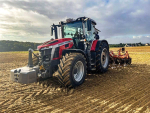
Case IH has unveiled its redesigned next generation Puma Series tractors, said to offer improvements in connectivity, operator comfort, fuel efficiency and drivability.
Generative AI in the workplace, trials in the field, and industry-relevant research took centre stage at this year’s Grape Days events in Central Otago, Hawke’s Bay and Marlborough.
Virtual fencing company Halter is going global but for founder Craig Piggott, New Zealand farmers will always remain their main partners.
Use of agricultural drones by contractors in New Zealand is soaring.



Rural Contractors NZ says proposed changes to land transport rules for agricultural vehicles are a welcome response by the Government to out of date regulations which have seen members hit with huge fines.
Alliance is calling for final applications for its 2027 Graduate Programme, with applications closing on Sunday 25 October.
Decades piloting planes has ensured vet and farmer David Hayes is focused on safety. So, after a serious accident while welding on farm, he is sharing his experience so others can learn from it.
Canterbury milk processor, Synlait Milk has confirmed Leon Fung as its chief executive officer.
OPINION: Making it easier to collect rainwater and use it to grow crops and livestock is a no brainer.
As part of its Election 2026 coverage, Rural News asked political parties how they would help pull the arable sector out of the doldrums. Here's what they said: