Lanaco and Blueair Launch World-First NZ Wool Air Filter
New Zealand wool is reaching new heights as air filtration companies move away from synthetic products to biodegradable alternatives.
 increase font size

The 7800 bales of North Island wool on offer this week saw a 92% clearance with a firm market for the finer crossbred wools and lower levels for the coarser sector, NZ Wool Services International Ltd's marketing executive Paul Steel says.
The weighted indicator for the main trading currencies was 1.63% stronger than the last sale on December 6 which accounted for the lower levels, however in foreign currency terms the market was generally very firm.
Continued demand for quick shipment from the Chinese market kept the finer types under steady pressure, with the seasonally higher volumes of coarser types due on the market and stronger currency combining to impact on this sector.
Steel advises fine crossbred fleece and longer shears were firm with shorter types 1% to 2% easier. Full length coarse crossbred fleece was firm to 1.5% softer.
Coarse Shears were generally 1 to 2.5% cheaper with the shorter end affected the most.
Long oddments came under solid demand, lifting up to 4%. The shorter types ranged from 1.5 to 4% cheaper.
China was the principal, supported by India, Western Europe, United Kingdom and Australasia.
The next sale on Wednesday, December 19 comprises about 8200 bales from the North Island and 9800 bales from the South Island.
New Zealand wool is reaching new heights as air filtration companies move away from synthetic products to biodegradable alternatives.
Will a stronger, more coordinated voice help rebuild confidence and improve returns in the wool sector?
OPINION: Confidence in the wool sector is rebounding as prices hit levels not seen in more than 15 years.
The recently signed free trade agreement with India is an invitation to strengthen relationships between the New Zealand and Indian strong wool industries, says Wool Impact chief executive Andy Caughey.
Strong competition and tightening supply have seen wool reach its highest prices paid at auction since 2011.


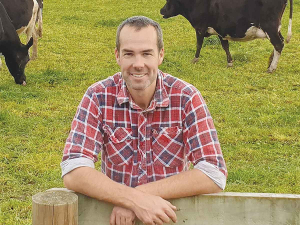
DairyNZ deputy chair Cameron Henderson has been re-appointed unopposed for another term.
Farms across the upper North Island are trialling different pasture mixes as part of a research programme that aims to build greater resilience into farming systems.
Election years are always a concerning time for farmers, according to DairyNZ chair Tracy Brown.
The Ballance Farm Environment Awards are coming to the West Coast of the South Island.
Most dairy regions around the country have had a pretty good season so far says Tracy Brown.