
Let Farmers Decide What They Farm
OPINION: Well, the silly season is upon us and all us politicians are running around shaking babies and kissing hands, or maybe the other way around.
 increase font size
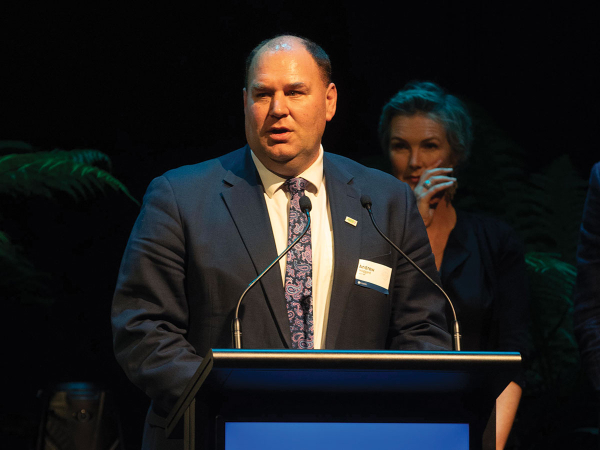 Associate Agricultural Minister Andrew Hoggard.
There was much theatre in the Beehive before the Government's new Resource Management Act (RMA) reform bills were introduced into Parliament last week.
Firstly, the opposition parties were briefed and then the media.
Key stakeholders from the primary sector along with NGOs were invited to a two hour 'lockup briefing' at which RMA Reform Minister Chris Bishop outlined the key details about the new legislation.
There were also cameo presentations from Prime Minister Christopher Luxon and Deputy PM David Seymour who described the present RMA as a "handbrake on the economy". And yes, there were cheese scones and coffee, eight media releases and eleven fact sheets.
One of the key differences between the old RMA and the new laws is the emphasis on economic growth and productivity outcomes rather than just environmental ones.
Of particular significance to the primary sector is that existing consent expiry dates will be extended for two years during the transition period - meaning that most consents will run through until 2031.
Associate Agricultural Minister Andrew Hoggard says they've been out on Canterbury farms, sitting around kitchen tables and walking properties with families who've been farming sustainably for generations.
"What we heard was clear: good farmers were getting buried in paperwork and costs just to keep doing what they've always done well.
"That's why we introduced the resource consent rollover. It gives farming families the certainty they need while we fix the bigger system. Common sense farming policy starts with listening to the people who know the land best."
Bishop made it clear that regional councils will have a significantly reduced role in the new planning system.
Other key points he raised were an end to confusing duplication of local government plans and policies, making consenting simpler, reducing the number of plans and a prediction that the new bills will produce savings in the order of $13 billion over the next 30 years
But while there is much hype about the new bills, there remains uncertainty about how they and the local government reforms will be finally implemented.
It's this that Bishop candidly revealed he is most anxious about.
Will the people at the coal face implement the new rules in a way that reflects the spirit of the law and what central government wants, or will they revert to being staunch, bureaucratic Sir Humphries?
"Parliament can pass as many laws as it likes, issue edicts from Wellington, but actually translating that to your local farmer grower on the ground dealing with your local bureaucrat and making that a reality is a lot harder," he says.
In the lockup, Bishop appealed to all parties to work together and create a better system.
OPINION: Well, the silly season is upon us and all us politicians are running around shaking babies and kissing hands, or maybe the other way around.

It was billed as a chance for all the political parties to woo the rural vote, but question marks hang over just how effective this was.
There's been widespread support from the primary sector for the Government's announcement on changes to freshwater farm plans that come under the Natural Environment Bill, which is now set to replace the existing RMA.
Despite political shenanigans in Wellington, farmers are confident that Resource Management Act (RMA) reforms will get over the line in this term of Parliament.
A pause on Waikato Regional Council's (WRC) plan change that sets new freshwater rules for farming could be announced in the coming weeks.


Farmer-owned fertiliser company, Ballance Agri Nutrients is welcoming National’s plan to negotiate security agreements with key supplier countries to protect New Zealand-bound products from export restrictions and greater supply chain certainty.

Carrfields has announced the appointment of Stu Hall to the newly created role of chief operating officer, Carrfields Ltd, reflecting the continued growth of their agribusinesses and the need to ensure the company has the leadership capacity and support in place as it pursues the emerging opportunities ahead.
New Zealand's role is not to compete with Indian growers, according to NZ Apples and Pears.
The potato industry is celebrating the success of two rising stars - James Blair, the 2026 Young Grower of the Year and runner-up and innovation award winner, Amber Davy.
Twenty-eight emerging leaders from across the horticulture sector spent two days last month learning valuable skills and connecting with industry experts.
There are five entrants in this year’s Young Horticulturist of the Year, competing in a series of technical, practical, business and leadership challenges.