Federated Farmers Urges Farmers to Vote on November 7
With less than a week to go before voters choose the next government, Federated Farmers has a simple message to its members - get out and vote.
 increase font size
 Fed Farmers president Katie Milne.
Government policy settings are presently farmers’ biggest worry, says Federated Farmers president Katie Milne.
She told Rural News at the Feds recent conference in Wellington that farmers are concerned at the possible effects on their farms of the Zero Carbon Bill and water policies.
They are worried about not knowing what they have to do and about how policies will impact on them, Milne said.
“We also don’t think the regulatory impacts and cost benefit analyses have been properly done on a lot of these things, in particular the flow on effects they will have.”
Milne sees the farming sector as flat at present despite commodity prices being pretty good. A key objective of the Feds conference was to try to help the public and decisionmakers to better understand farming.
Feds joined forces this year with a commercial conference organiser which staged the event at Te Papa Museum, Wellington.
Their aim was to do something different and bring primary industries into Wellington to give attendees closer connections and enable collaboration and connections between politicians, academics, officials and agribusiness people.
“It’s gone really well. Very good feedback from everybody shows this format has worked,” Milne said.
With less than a week to go before voters choose the next government, Federated Farmers has a simple message to its members - get out and vote.

Federated Farmers has welcomed new rural policies released by ACT, saying they align closely with its own election priorities.
A farmgate milk price of $10/kgMS this season is firming up as milk powder prices soar and the New Zealand dollar weakens.
Federated Farmers is backing Feilding High School’s call to keep Agriculture and Horticultural Science as a standalone subject in Year 11.
National’s pledge to introduce 19 new national standards shows the party is serious about getting Wellington out of farming, Federated Farmers says.


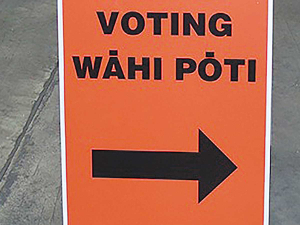
OPINION: As election day looms, rural NZ seems to have pressed the pause button – held somewhat in limbo on an orange light.

Will drones be the answer to tackling the problem of wasp and hornet nests high up in trees and other inaccessible places?
Canterbury milk processor Synlait has come through tough times and is now ready to scale up from a stable base, says its newly confirmed CEO Leon Fung.
NZPork says a ham made in New Zealand is not necessarily made from New Zealand pork.
Rural Contractors NZ says proposed changes to land transport rules for agricultural vehicles are a welcome response by the Government to out-of-date regulations which have seen members hit with huge fines.
With New Zealand’s greenhouse gas emissions in the spotlight, Auckland scientist Nathan Balasingham says there’s a better way to tackle the problem than shrinking cow numbers or fertiliser usage.