Farmers warned to upgrade as 3G shutdown looms
As the clock ticks towards the 3G mobile network shutdown, farmers are being warned to upgrade or risk losing connection to their supply chain.
 increase font size
 While 23% of New Zealand's businesses are rural-based, there are still many without good access to the internet.
Companies which have high internet usage are currently 4 years ahead, 6% more productive and generate 20% more revenue compared with an average firm.
These are just a couple of the key trends presented by TUANZ chief executive, Craig Young, at a recent forestry technology series.
It also presents a very real challenge for the rural sector. While 23% of New Zealand's businesses are rural-based, there are still many without good access to the internet. Over 13% of our rural population has no internet access at all.
But internet access is only part of the issue. Young says it appears that disinterest and high costs are the biggest barriers to internet uptake in the rural sector.
Technology investment into the sector is providing a new wave of mobile productivity tools available to our farmers, horticulturists and foresters. The trouble is that much of this potential is reliant on having good access to the internet.
The Rural Broadband Initiative (RBI) is a major Government programme tackling this very issue. In a recent press release the Communications Minister Amy Adams says, "We've got a bold 2025 target of 99% of New Zealanders able to access peak speeds of at least 50 Mbps". An additional $100 million has been injected into the RBI and $50 million to improve the mobile coverage in block spot areas.
A fast and reliable connection will provide significant economic benefits for the rural sector.
Increasing innovation through connectivity within the primary sector is the key focus of an upcoming industry event that has been set up for this country's primary industries — MobileTECH 2016 on 30-31 March in Rotorua.
As the clock ticks towards the 3G mobile network shutdown, farmers are being warned to upgrade or risk losing connection to their supply chain.
OPINION: We may now be into the third decade of the 21st century, but unfortunately much of NZ’s rural broadband and mobile coverage remains at third world levels.
Rural people should be getting the same level of connectivity in terms of broadband and mobile coverage as the people who live in urban areas.
An announcement of increased rural broadband and mobile coverage has been welcomed by the sector organisations, but they say more is needed.


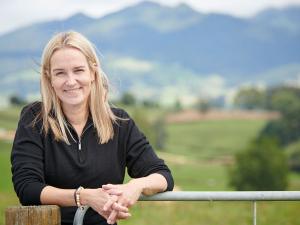
Minister of Conservation Hon Tama Potaka has appointed Susan O'Regan as Chair of the Queen Elizabeth II National Trust (QEII) for a three-year term.
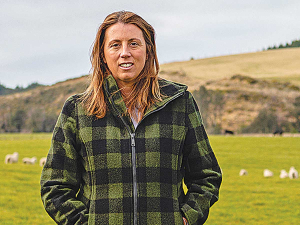
Red meat farmers are welcoming Labour’s plan to review the Emissions Trading Scheme and not to campaign on pricing agricultural emissions.
Where any worker in the kiwifruit industry is mistreated, we expect the authorities to take action.
Mid Canterbury Federated Farmers arable chair, Bevan Lill, said Beef + Lamb NZ data indicated that for the last six years, the average arable return on investment was about 0.8% while inflation ran about 4% - so the average arable farm was going backwards at about 3% a year.
Seed and grain companies share the concerns of arable farmers about the viability of their sector, says Seed and Grain New Zealand chief executive Dr Sarah Clark.
The New Zealand Institute of Forestry (NZIF) says unnecessary changes to New Zealand’s Emissions Trading Scheme (NZ ETS) will seriously erode investor confidence and result in significant reductions in forest planting rates.