Fires restricted in Waikato and Northland
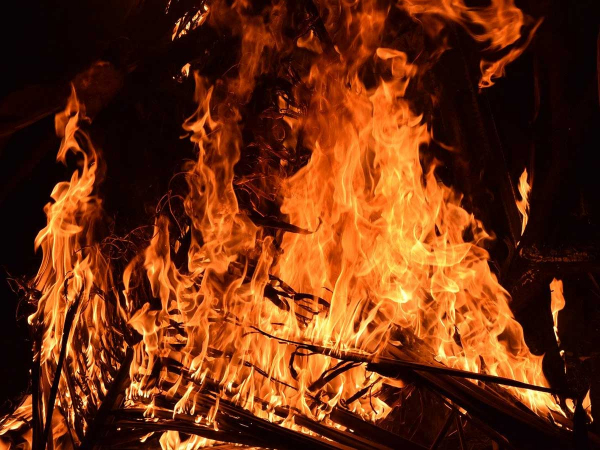
Fire and Emergency New Zealand (FENZ) has declared restricted fire seasons for the Waikato, Northland and Canterbury.
 increase font size
 Fire and Emergency New Zealand have announced a new structure for district management.
Fire and Emergency New Zealand has announced the stand-up of 17 new districts, replacing the split 24 urban areas and 18 rural fire districts across the country.
Chief executive Rhys Jones says that bringing together over 40 rural and urban fire services and 14,000 people has been a huge undertaking.
“But getting all the different firefighting set ups working together as one national organisation has been necessary,” Jones says.
“Our structural changes are about building a unified national emergency management organisation to meet the changing risks communities face across both the built and natural environments,” he says.
Prior to the new structure announced today, Fire and Emergency maintained a similar leadership structure to the organisations that preceded it, with area managers leading focused brigades and stations, and principal rural fire officers leading rurally focused brigades.
Under the new structure, all brigades and stations will sit together under their respective newly appointed district managers.
National commander Kerry Gregory says Fire and Emergency’s work goes a lot further than putting out fires and the new teams will reflect its wider remit.
“For years now, the proportion of fire callouts has been reducing compared to other incidents – and this will continue to be the case. A changing climate means we’ll need to respond to more frequent and severe natural disasters in the future. We are also attending more road accidents, medical callouts and incidents involving hazardous materials.”
Gregory says the new structure enables Fire and Emergency New Zealand to continue to respond to emergencies and work with communities to keep them safe.
“Reducing the risk of fire is the single most effective thing we can do in seeking to protect New Zealand’s people, property and environment. Our new structure enables us to put an increased focus on risk reduction and supporting communities to be resilient and able to recover more quickly from the impact of emergencies.”
He says this is an important and exciting time for Fire and Emergency and its people.
“I am confident our district managers have the skills needed to successfully deliver our goals and they have my full support. I am looking forward to working alongside them in their new roles.
“We are thrilled to have reached this point and have our new structure stood up to better support New Zealand communities.”
Fire and Emergency New Zealand (FENZ) has declared restricted fire seasons for the Waikato, Northland and Canterbury.


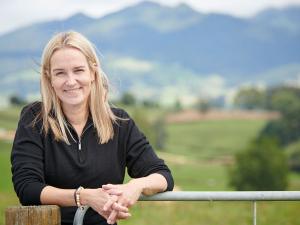
Minister of Conservation Hon Tama Potaka has appointed Susan O'Regan as Chair of the Queen Elizabeth II National Trust (QEII) for a three-year term.
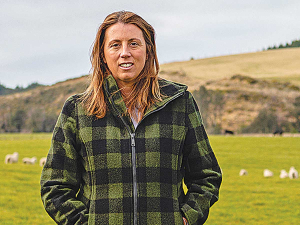
Red meat farmers are welcoming Labour’s plan to review the Emissions Trading Scheme and not to campaign on pricing agricultural emissions.
Where any worker in the kiwifruit industry is mistreated, we expect the authorities to take action.
Mid Canterbury Federated Farmers arable chair, Bevan Lill, said Beef + Lamb NZ data indicated that for the last six years, the average arable return on investment was about 0.8% while inflation ran about 4% - so the average arable farm was going backwards at about 3% a year.
Seed and grain companies share the concerns of arable farmers about the viability of their sector, says Seed and Grain New Zealand chief executive Dr Sarah Clark.
The New Zealand Institute of Forestry (NZIF) says unnecessary changes to New Zealand’s Emissions Trading Scheme (NZ ETS) will seriously erode investor confidence and result in significant reductions in forest planting rates.