Farm Safety Improves Through 'Incremental Gain', Says Birkett
Improving health and safety is about incremental gain rather than a sudden decision, says Leeston farmer and Federated Farmers health and safety spokesman David Birkett.
 increase font size

Workplace Relations and Safety Minister Michael Woodhouse has welcomed the launch of the government's Safer Farms programme.
Safer Farms is a multi-year programme designed by farmers and the wider agricultural sector, WorkSafe New Zealand and the Accident Compensation Corporation (ACC).
"More people die working on farms than in any other industry in New Zealand and too many are seriously injured. Safer Farms aims to change that," Woodhouse says.
"Safer Farms is a new way of tackling a long standing problem hurting rural New Zealand. It's about education, awareness and support for rural communities."
One hundred and twenty people have been killed working on New Zealand farms since 2008, with four times as many fatalities last year compared to the forestry or construction industries.
"The death and injury rate behind the farm gate is simply unacceptable. Someone is killed every fortnight - this needs to change," says Woodhouse
The problem cannot be resolved by increasing the number of inspectors, he says. Only farmers can directly influence the toll and Safer Farms aims to help them do this by finding health and safety solutions that work.
"Farmers have told us they want more information and engagement, so Safer Farms will work with farmers and rural communities to manage their own health and safety," he says.
Safer Farms takes the health and safety message directly to rural communities – through rural retailer education, school programmes, 'how to' sessions at field days, and rural industry groups who we will help to provide onsite training.
"The government is committed to reducing workplace death and serious injury and Safer Farms will help us achieve this in the farming industry, while maintaining the quality and production of our primary industries which contribute significantly to our economy."
The Safer Farms programme includes an easy-to-use toolkit and a comprehensive online resource – www.saferfarms.org.nz – so that farmers have clear health and safety advice, and information.
WorkSafe is holding series of events around New Zealand over the next two weeks, to mark the start of Safer Farms. Details on the regional launch events are outlined below. Contact WorkSafe NZ if you wish to attend.
|
Location: |
Venue |
Date: |
Time of event |
|
Te Puke |
Kiwi 360 |
Tuesday 10 February |
1100 - 1300 |
|
Gisborne |
Wairakaia Station |
Tuesday 10 February |
1100 - 1300 |
|
Rotorua |
Wairaki Institute of Technology |
Wednesday 11 February |
1100 - 1300 |
|
Havelock North |
Hawea Farm |
Wednesday 11 February |
1100 - 1300 |
|
Hamilton |
The Barn at Claudelands |
Thursday 12 February |
1100 - 1300 |
|
Tapawera |
Tapawera Rugby Clubrooms |
Thursday 12 February |
1100 - 1300 |
|
Waitara |
The Supershed |
Tuesday 17 February |
1100 - 1300 |
|
Greymouth |
Kingsgate Hotel |
Tuesday 17 February |
1100 - 1300 |
|
Wairarapa |
Stonestead |
Wednesday 18 February |
1100 - 1300 |
|
Fielding |
Barr Farm |
Wednesday 18 February |
1100 - 1300 |
|
Timaru |
Caroline Bay Community Lounge |
Wednesday 18 February |
1100 - 1300 |
|
Dunedin |
Waipori Station |
Friday 20 February |
TBC |
|
Invercargill |
Quadrant Dairies |
Friday 20 February |
1100 - 1300 |
|
Wellington |
Federated Farmers head office |
Wednesday 25 February |
1100 - 1300 |
|
Dargaville |
Northland Field Days |
Thursday 26 February |
1100 - 1300 |
Improving health and safety is about incremental gain rather than a sudden decision, says Leeston farmer and Federated Farmers health and safety spokesman David Birkett.
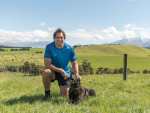
ACC says that this week's Fieldays is a great chance for farmers to pause and reflect on their processes and ensure that their life is in balance.
The Roar is a highlight of the game hunting calendar in New Zealand, with thousands of hunters set to head for the hills to hunt male stags during March and April.
The Government has announced that ACC will be a sponsor of this year's FMG Young Farmer of the Year competition.
Southland farmers are being urged to put safety first, following a spike in tip offs about risky handling of wind-damaged trees


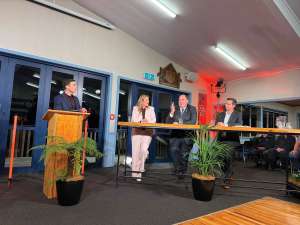
It was billed as a chance for all the political parties to woo the rural vote, but question marks hang over just how effective this was.
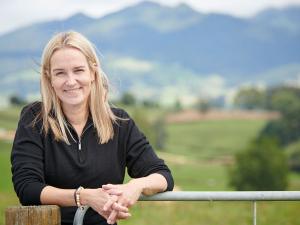
Minister of Conservation Hon Tama Potaka has appointed Susan O'Regan as Chair of the Queen Elizabeth II National Trust (QEII) for a three-year term.
Red meat farmers are welcoming Labour’s plan to review the Emissions Trading Scheme and not to campaign on pricing agricultural emissions.
Where any worker in the kiwifruit industry is mistreated, we expect the authorities to take action.
Mid Canterbury Federated Farmers arable chair, Bevan Lill, said Beef + Lamb NZ data indicated that for the last six years, the average arable return on investment was about 0.8% while inflation ran about 4% - so the average arable farm was going backwards at about 3% a year.
Seed and grain companies share the concerns of arable farmers about the viability of their sector, says Seed and Grain New Zealand chief executive Dr Sarah Clark.