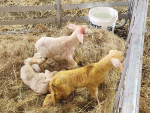
Beef + Lamb NZ's Lambing Kit Checklist for a Tough Season
With lambing underway in many regions, Beef + Lamb New Zealand is encouraging farmers to put together a wellequipped lambing kit to help minimise lamb losses, particularly in bad weather.
 increase font size
 The National Council of New Zealand Wool Interests has made the maximum allowable weight restricted to 200kg.
New amendments in the Industry Code of Practice have been made in relation to the maximum allowable weight of bales of greasy wool.
The National Council of New Zealand Wool Interests has made the maximum allowable weight restricted to 200kg.
The council comprises associations and organisations involved in the domestic and international trading of greasy and scoured wool. It acts as the New Zealand member of the International Wool Textile Organisation, which represents the interests of the wool textile trade at the global level.
"The National Council and its members are committed to providing a safe working environment throughout the wool industry," the council says in a statement
"Increasing concerns relating to bales weighing over 200kg (which are estimated to cover approximately 6% of the national clip) have prompted the council to address the issue.
"Bales weighing in excess of 200kg can contribute to workplace accidents and throughout the industry provide a significant problem during dumping and shipping. These bales have been assessed as hazards during transport and handling, with changes deemed necessary to comply with tougher Occupational Health and Safety laws being introduced in New Zealand.
"The New Zealand Wool Brokers Association and the Federation of Private Wool Merchants have been actively promoting the new bale weight limits to growers through their respective newsletters. Woolgrowers are encouraged to comply with the new bale weight limit to minimise any re-packing and additional charges that may be incurred."
With lambing underway in many regions, Beef + Lamb New Zealand is encouraging farmers to put together a wellequipped lambing kit to help minimise lamb losses, particularly in bad weather.

New Zealand wool is reaching new heights as air filtration companies move away from synthetic products to biodegradable alternatives.
Will a stronger, more coordinated voice help rebuild confidence and improve returns in the wool sector?
OPINION: Confidence in the wool sector is rebounding as prices hit levels not seen in more than 15 years.
The recently signed free trade agreement with India is an invitation to strengthen relationships between the New Zealand and Indian strong wool industries, says Wool Impact chief executive Andy Caughey.

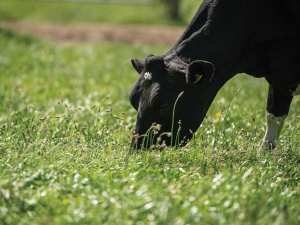
Farms across the upper North Island are trialling different pasture mixes as part of a research programme that aims to build greater resilience into farming systems.
Election years are always a concerning time for farmers, according to DairyNZ chair Tracy Brown.
The Ballance Farm Environment Awards are coming to the West Coast of the South Island.
Most dairy regions around the country have had a pretty good season so far says Tracy Brown.
Rural leader Mark Hooper has been appointed as an independent director to the NZPork board, bringing extensive farming, governance and advocacy experience to the role.