Rural NZ Welcomes $8.5m Government Health Package
Rural New Zealand is welcoming the Government’s recent package of rural healthcare initiatives.
 increase font size
 HTRHN chief executive Grant Davidson says a strategy is needed to attract health workers in rural areas.
During September, 30 tertiary health students will be spreading the word about rural health careers to 33 rural schools throughout the country.
The tour is led by Hauora Taiwhenua Rural Health Network (HTRHN) in partnership with the Students of Rural Health Chapter and funded by Manatū Hauora Ministry of Health.
Four groups of tertiary students will share information about career pathways, as well as advice to encourage rural students to think about their futures and what they’d like to study.
The medical students will also visit local health providers – such as GPs and hospitals – to meet with health professionals and gain insight into rural community health.
Now in its fourth year, the interactive health career workshops have proven to be an effective and popular way of engaging and inspiring school pupils to think about the different health disciplines. It also gives them hands-on experience with medical and dentistry equipment.
“We had the rural health careers promotion programme in three years ago and at least seven of the fifteen [school students] present in that group are now Year 13 and heading into the medical field in one area or another,” says Michele Liddle, careers advisor at Matamata College.
HTRHN hopes that after the rural health career sessions, pupils will feel inspired to pursue careers in rural health and take a step forward on that journey.
This year 73 tertiary students representing Ara Institute of Canterbury, Southern Institute of Technology, Otago Polytechnic, Waikato Institute of Technology and more applied to be involved in this round of rural school visits.
It is hoped these experiences help the tertiary students foster connections within rural communities where they may consider working when they graduate.
HTRHN says the programme is integral to efforts to address the chronic health workforce shortages throughout New Zealand, which are being felt acutely in rural areas.
“In the next 10 years about 50% of our GPs are set to retire,” says HTRHN chief executive Grant Davidson.
“While we currently rely on international doctors to fill the gaps in our rural workforce, the longterm solution is to train more doctors, nurses and other health professionals here in New Zealand and prepare and encourage them to work in our rural areas.
He says to do this, a strategy is needed to attract, train and retain these health workers in rural areas.
Rural New Zealand is welcoming the Government’s recent package of rural healthcare initiatives.

As the first of a new series of interprofessional rural training hubs opened in South Taranaki late September, Rural Health Network has celebrated the move as a "key pathway to encourage the growth and retention of health professionals in rural areas".
Rural health advocates say the Government's decision to establish a new medical school at the University of Waikato augurs well for the rural sector.
Doctors and rural women are welcoming the recent pre-budget announcement from the Government that it would be boosting funding to urgent and afterhours care facilities.
While healthcare itself got a $5.5 billion investment in Budget 2025, rural doctors are sounding the alarm about growing health inequities in rural New Zealand.

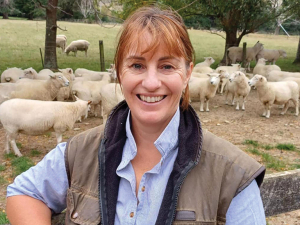
B+LNZ's Wormwise veterinarian Mary Bowron has won the Best Sheep and Beef Vet of the Year Award in recognition of her outstanding contribution to New Zealand’s sheep and beef sector.
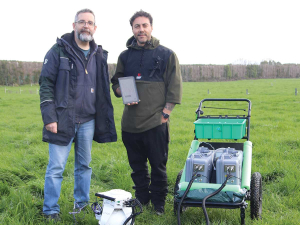
Researchers at Massey University are using a special piece of scientific equipment to improve the measurement of greenhouse gas emissions from pasture soils.
More signs of a booming kiwifruit sector.
OPINION: David Seymour and James Meager's plan to make it easier for farmers and orchardists to operate drones can best be described a 'courageous' move.
New Zealand wool is reaching new heights as air filtration companies move away from synthetic products to biodegradable alternatives.
Opuha Dam's ability to protect South Canterbury communities from major flooding has taken a significant step forward, with Opuha Water Limited (OWL) successfully commissioning a new outlet valve capable of releasing record volumes of water from the dam ahead of a weather event.